
Category: Boxing / Combat Sports

  • Grip Strength Test: Why It Matters More Than You Think (Even If You’re Not an Athlete)

    Grip Strength Test: Why It Matters More Than You Think (Even If You’re Not an Athlete)

    Grip Strength Test: Why It Matters More Than You Think (Even If You’re Not an Athlete)

    woman using digital grip dynamometer for grip strength test and assessment
    Measure your grip strength like a pro with a digital dynamometer, the go-to grip strength assessment for athletes and everyday lifters.

    You’re not aiming for a record-breaking rock climb, but passing a grip strength test could be the single most important indicator of your health you’re overlooking. Trainers and researchers agree: your grip isn’t just a reflection of hand strength—it directly relates to your overall health, athletic potential, and even longevity. Recent studies consistently show that grip strength tests predict risk of heart disease, physical decline, and life expectancy better than many standard medical measurements.

    This guide reveals exactly why your performance in a grip strength test matters, how to measure your grip correctly, and practical steps to quickly boost your results.

    Why Grip Strength Matters Beyond the Gym

    Interactive Grip Strength Test: How Strong’s your Grip?

    1. What’s your biological sex?

    2. What’s your age group?

    3. Which best describes your training style?

    4. How long can you hang from a bar (arms extended)?

    5. Which object can you hold for 30 seconds?

    Grip Strength Predicts More Than Just Power

    You might think of grip strength as just your ability to squeeze something tightly—but it’s actually a key signal of your body’s overall health status. In fact, grip strength has been linked to reduced risk of heart disease, earlier detection of physical decline, and even longer lifespan.

    One landmark study published in The Lancet found that low grip strength was associated with a higher risk of death from all causes, and was even a better predictor of mortality than systolic blood pressure in many cases.

    This isn’t just about old age, either. Grip strength reflects total neuromuscular output, making it an early warning sign for poor movement efficiency and weakness across the entire kinetic chain. It’s a diagnostic tool in disguise.

    The takeaway? Stronger hands equal a stronger life—inside and outside the gym.

    Moreover, grip strength reflects neuromuscular health and functional independence as we age. According to Bohannon et al. (2001), grip strength is one of the first physical attributes to decline with age, often preceding drops in leg strength.


    How Grip Strength Impacts Daily Function and Athletic Performance

    Grip Strength for Functional Tasks

    You might not realize how frequently you depend on your grip: carrying groceries, opening jars, using tools, or even catching yourself when slipping. A strong grip isn’t just about athletic training—it supports everyday independence. Weak grip strength increases your risk of dropping objects, straining your joints, and even falling.

    Grip Fatigue in Athletic Performance

    Athletically, grip is often the first point of failure. It doesn’t matter how strong your back or arms are—if your grip fails during a deadlift, pull-up, or clinch, your overall power output drops dramatically. Grip endurance becomes critical for sports performance and strength carryover.

    Why It Matters for Longevity

    Research from the Journal of Gerontology shows that grip strength correlates with better functional health outcomes in older adults, including fewer fractures and longer independent living. Training grip today is a long-term investment in strength, resilience, and quality of life.

    You might not realize how frequently you depend on your grip: carrying groceries, opening jars, using tools, or even catching yourself when slipping. If your grip is weak, not only does everyday life become challenging, but you become more susceptible to injury.

    Athletically, grip is often the first point of failure. It doesn’t matter how strong your back or arms are—if your grip fails, your strength can’t fully translate.

    Four Grip Types to Boost Your Grip Strength Test Score

    hanging from pull-up bar to build grip endurance and support grip strength
    uild relentless grip endurance with dead hangs—a foundational grip strength exercise that translates to heavier lifts and tougher carries.

    To effectively strengthen your grip, understand these four core types:

    Crush Grip Strength

    This grip is about applying maximum pressure. Think: shaking hands firmly or crushing a soda can. Exercises include Captains of Crush grippers and plate squeezes.

    Support Grip Strength

    This is your ability to hold weight for a sustained period. Exercises like dead hangs, farmers’ carries, and loaded holds boost this grip.

    Pinch Grip Strength

    Your thumb power shines here—critical for gripping wide, flat objects. Plate pinches and block holds are essential exercises.

    Wrist Stability and Strength

    Often overlooked, wrist strength supports the stability of your entire hand. Movements like hammer rotations, wrist curls, and sledgehammer levering can vastly improve wrist durability.

    Easy Ways to Program Grip Training into Your Routine

    Add Grip Work to Your Finishers

    • Towel Hangs: Wrap a towel over a pull-up bar and hang for time to build support grip and forearm endurance.

    • Plate Holds: Grab two weight plates and pinch them together for time. Great for building pinch grip strength.

    Use Integrated Grip Tools

    • Fat Grips: These attachments enlarge dumbbell or barbell handles, increasing grip recruitment during pressing and pulling.

    • Rope Rows or Pull-Ups: Switching to ropes increases forearm activation and simulates grappling demand.

    Swap Isolation Work

    • Loaded Carries instead of Curls: Carries build total-body tension and superior grip strength compared to isolated bicep curls.

    • Dead Hangs over Cable Extensions: For overhead endurance and wrist stability, hangs offer functional improvement.

    Pro Tip: Train grip 2–3 times per week, pairing it with back or pull days. Vary the style (crush, support, pinch, wrist) to avoid plateauing and ensure balanced development.

    Enhancing your grip doesn’t require radical changes to your training—just a few smart additions:

    • Grip Finishers: Add towel hangs or plate holds at the end of workouts.

    • Integrated Grip Tools: Use fat grips or ropes during standard lifts.

    • Replace Isolation Work: Swap some isolation movements for carries or hangs for dual-purpose training.

    How to Train for a Grip Strength Test in the Gym

    close-up of hands performing plate pinch for pinch grip strength exercise
    the pinch grip exercise with plate-pinch holds, a top grip strength training drill for climbers, martial artists, and anyone wanting bulletproof hands.

    If you’re looking to develop a stronger grip, you don’t need a complicated routine—just a smart approach. The gym offers multiple ways to build crush, support, pinch, and wrist strength with basic equipment and focused consistency. Whether you’re a strength athlete, a climber, or a martial artist, these methods will level up your grip performance and overall lifting control.

    Best Gym Exercises to Ace Your Grip Strength Test:

    • Farmer’s Carries: Use dumbbells or kettlebells. Walk for 30–60 seconds.

    • Dead Hangs: Grab a pull-up bar and hang. Aim for 30–60 seconds.

    • Towel Pull-Ups or Rows: Adds challenge to forearms and grip.

    • Fat Grips: Add these to barbells or dumbbells to increase grip demand.

    Specialized Tools

    • Captains of Crush Grippers: Train max squeeze strength.

    • Plate Pinches: Hold two plates together with fingers and thumb.

    • Wrist Rollers: Develop forearm endurance.

    Training Guidelines

    • 2–3x per week, either as part of your pulling days or conditioning sessions.

    • Keep reps controlled and time-under-tension high.

    • Focus on progressive overload: longer hangs, heavier carries, thicker grips.

    By layering these movements into your routine, you’ll see rapid improvements in hand and forearm strength that carry over into every aspect of training—from deadlifts to clinch control.

    The Grip Strength Test: Are You Above Average? Dynamometers vs Grippers Explained

    Grip strength is one of the most important markers of real-world strength, athletic performance, and aging resilience. But how do you actually measure it—and what’s considered “strong”?

    How to Perform a Grip Strength Test:

    We break it down with two tools:

    1. Grip Dynamometers (Hand Squeeze Testers)

    These handheld digital or analog devices measure how hard you can squeeze—usually in pounds (lbs) or kilograms (kg) of force.

    Normative Grip Strength Scores

    SexAge RangeStrong GripAverageBelow Average
    Male20–39 yrs105–125+ lbs85–104 lbsUnder 85 lbs
    Male40–59 yrs95–115+ lbs75–94 lbsUnder 75 lbs
    Female20–39 yrs65–85+ lbs45–64 lbsUnder 45 lbs
    Female40–59 yrs55–75+ lbs40–54 lbsUnder 40 lbs


    2. Captains of Crush (CoC) — industry gold standard

    These are calibrated grippers from 60 lb (Trainer) up to 365+ lb (No. 4):

    Gripper LevelResistanceWhat It Indicates
    Guide60 lbRehab / warm-up
    Sport80 lbStrong beginner
    Trainer100 lbEntry-level grip work
    No. 1140 lbAverage trained male
    No. 2195 lbStrong grip benchmark
    No. 2.5–3.5237–322.5 lbAdvanced to elite
    No. 4365 lbWorld-class grip

    Real-World Goal:

    • Men: Aim to close a No. 2 gripper

    • Women: Strong if closing a Trainer or No. 1

    How to Measure Your Progress

    • Time how long you can hold it closed (isometric hold)

    • Track max reps at a specific level

    • Progress by increasing resistance or moving to the next gripper

    What Counts as a Rep with Grip Trainers or Grippers?


    A Full Rep = Handles Touching (Closed Shut)

    • For Captains of Crush or any proper gripper:
      The rep only counts if the handles touch completely — no daylight between them.

    • That means closing the gripper fully, pausing briefly, and then controlling the release.

    What Doesn’t Count:

    • Almost touching isn’t a full rep

    • Partial closes (e.g. 75%) are good for endurance or warm-ups, but don’t count as max reps

    • Cheating with other hand or body swing voids the rep

    Sport-Specific Grip Strength Benefits: Boost Performance Across Disciplines

    Grip strength isn’t just important in the weight room—it directly impacts how you perform in your sport. Whether you’re gripping a bat, climbing a rope, or holding a javelin, sport-specific grip strength improves execution, durability, and control.

    Grip Strength for Specific Sports & Activities


    Climbing

    Climbers demand elite levels of support and pinch grip strength, especially in the forearms and fingers. Training with hang boards, finger rolls, and campus boards is crucial. A weak grip here leads to pump-out and fall risk.

    Baseball & Softball

    Bat speed, control, and swing path all depend on crush and wrist strength. Stronger grip improves bat whip and injury prevention in high-impact swings.

    Football

    Lineman and defensive players use their hands to fight off blocks—requiring powerful crush and wrist strength. Grip also helps in ball security and tackling leverage.

    Tennis & Golf

    Dexterity, rotation control, and racket/club accuracy come from balanced grip strength—especially wrist and pinch mechanics. Overtraining leads to tennis elbow; undertraining weakens follow-through.

    Track & Field

    Grip strength plays a role in throwing events like javelin, shot put, and discus. A strong grip supports release precision and energy transfer from hips to fingertips.

    Training your grip with your sport in mind is one of the easiest ways to increase specificity, prevent injury, and create transfer from gym to field.

    • Climbers: Emphasize support and pinch grip.

    • Baseball/Softball: Wrist and crush grip crucial for swing speed.

    • Football: Defensive linemen rely heavily on wrist and crush strength for hand fighting.

    • Tennis/Golf: Strong yet dexterous grip required for racquet or club control.

    • Track & Field (e.g., javelin): Pinch and wrist strength influence release velocity.

    Developing your grip in these contexts leads to better coordination, power transfer, and resilience on the field.

    Grip Strength in Combat Sports

    In combat sports, grip strength is a make-or-break skill. From grappling and clinch control to wrist stability for strikes, your grip determines how well you can execute and resist techniques. Every serious combat athlete should incorporate grip-specific drills.

    Grip Use in Grappling & Striking

    • Jiu-Jitsu / Wrestling: Gi grips, sleeve control, hand fighting—support and pinch grip key.

    • Boxing / Muay Thai: Wrist strength improves punch stability and clinch durability.

    • MMA: Full-spectrum grip demands for cage control, takedowns, glove grip.

    Sample Drills

    • Gi Rope Pulls or Rope Climbs

    • Clinch Dumbbell Holds

    • Wrist Levering + Rice Bucket Work

    With these exercises, your grip becomes a weapon—and a shield.

    Foundational Gym Exercises for Grip Strength

    • Farmer’s Carries: Use dumbbells or kettlebells. Walk for 30–60 seconds.

    • Dead Hangs: Grab a pull-up bar and hang. Aim for 30–60 seconds.

    • Towel Pull-Ups or Rows: Adds challenge to forearms and grip.

    • Fat Grips: Add these to barbells or dumbbells to increase grip demand.

    Specialized Tools

    • Captains of Crush Grippers: Train max squeeze strength.

    • Plate Pinches: Hold two plates together with fingers and thumb.

    • Wrist Rollers: Develop forearm endurance.

    Training Guidelines

    • 2–3x per week, either as part of your pulling days or conditioning sessions.

    • Keep reps controlled and time-under-tension high.

    • Focus on progressive overload: longer hangs, heavier carries, thicker grips.

    Male athlete performing knuckle pushups next to a loaded barbell during strength conditioning.
    Real strength is built through consistency—your split should fuel better movement, not just muscle size and hit the strong grip benchmark, turning your grip training into undeniable hand power.

    In Closing…

    Grip Strength = Longevity, Power, and Control

    Grip strength isn’t a fitness trend—but a root of health, athleticism, and longevity. The evidence is clear: weak grip is an early warning sign for aging, neuromuscular decline, and reduced performance. Meanwhile, a powerful grip is linked to longer life, fewer falls, better lifting capacity, and stronger bones.

    How Much Grip Strength Contributes to Big Lifts (Based on Actual Data)


    1. Deadlifts

    • Grip is the #1 limiting factor in heavy or high-rep deadlifting.

    • Research shows grip failure precedes back/hip fatigue in >80% of intermediate lifters.

    • Stronger grip increases pulling endurance and barbell control, adding 10–20% more reps at submaximal loads.

    2. Pull-Ups & Rows

    • Studies show grip fatigue reduces upper-back activation by up to 30% as sets progress

    • A strong grip maintains form longer, delaying scapular breakdown and allowing more total volume.

    3. Olympic Lifts

    • In cleans/snatches, grip doesn’t directly increase power, but:

      • Inconsistent grip leads to missed catches.

      • Stronger grip stabilizes wrist/elbow position during pull phase.

    4. Kettlebell Swings / Carries

    • Grip endurance strongly correlates with:

      • Core engagement (plank EMG increases with sustained grip fatigue)

      • Total session workload (grip fails before legs ≈ >20% of time)

    5. Bench Press

    • Indirect benefit:

      • A firm grip increases radiation effect (neural co-contraction from forearm tension)

      • This improves triceps and chest activation by ~5–10%

    Exercise / MovementGrip Strength RoleEstimated Performance GainNotes
    DeadliftPrimary limiter under heavy load or fatigue+10–20% reps or load toleranceGrip training delays failure and improves bar control
    Pull-Ups / RowsSustains upper-back recruitment and form+20–30% pulling volumeStrong grip preserves scapular retraction longer into sets
    Kettlebell Carries / SwingsSupports endurance, posture, and core recruitment+15–25% session outputGrip failure typically ends these workouts prematurely
    Olympic LiftsProvides wrist/elbow stability during high-velocity pulls↑ Technique consistency (no load gain)Helps prevent bar drop or catch error due to grip inconsistency
    Bench PressEnhances muscle activation via co-contraction+5–10% pressing powerTight grip increases neural drive to triceps and pecs (irradiation)

    By consistently developing crush strength, pinch grip, wrist stability, and support endurance, you’re not just improving your lifts—you’re investing in your future.

    Add loaded carries to your program. Start hanging from the bar. Use fat grips, towels, ropes—whatever forces your hands to adapt. You’ll feel the difference, and your performance across all areas of life will reflect it.

    It’s not about having a bone-crushing handshake. It’s about owning your strength—one rep, one grip at a time.

    Grip strength is an underappreciated foundation of athleticism and functional health. It’s what keeps you safe, powerful, and mobile through your lifespan. Whether you’re aiming to win in sport, stay independent longer, or just perform better in the gym, grip training is essential.

    Try the interactive above, test yourself, and start building grip into your weekly routine today. The payoff is immediate—and lifelong.

    • Falls: Lower grip strength increases fall risk significantly, especially after 50.

    • Cardiovascular Health: Stronger grip linked with decreased cardiovascular incidents.

    • Bone Density: Grip strength correlates directly with higher bone density levels.

    FAQ Section


    Train grip strength 2–3 times per week. This allows for consistent overload while giving your muscles time to recover.


    Add daily dead hangs, use fat grips, and incorporate loaded carries. These compound strategies build strength fast.


    While some factors like hand size and tendon density are genetic, grip is highly trainable with the right programming.


    Not usually—but avoid heavy grip work right before max-effort bench or overhead pressing days to preserve joint integrity.


    Strong grip is linked to lower mortality rates, fewer falls, and greater independence in aging populations, per several major studies.

    2–3x/week is ideal. Focus on endurance, control, and variety.


    Yes—just avoid max-effort grip work before pressing days.


    Yes. It’s linked to injury risk, functional independence, and longevity.

    Resources

    coachjohanncscs.com only uses primary research and scholarly studies as references over secondary sites. Other references are primarily from reputable social media accounts of experts only in the fields of health, nutrition, sports science, physiology, psychology, and physical therapy. 

  • Strength Training vs Hypertrophy: What’s Best for Combat Sports Athletes?
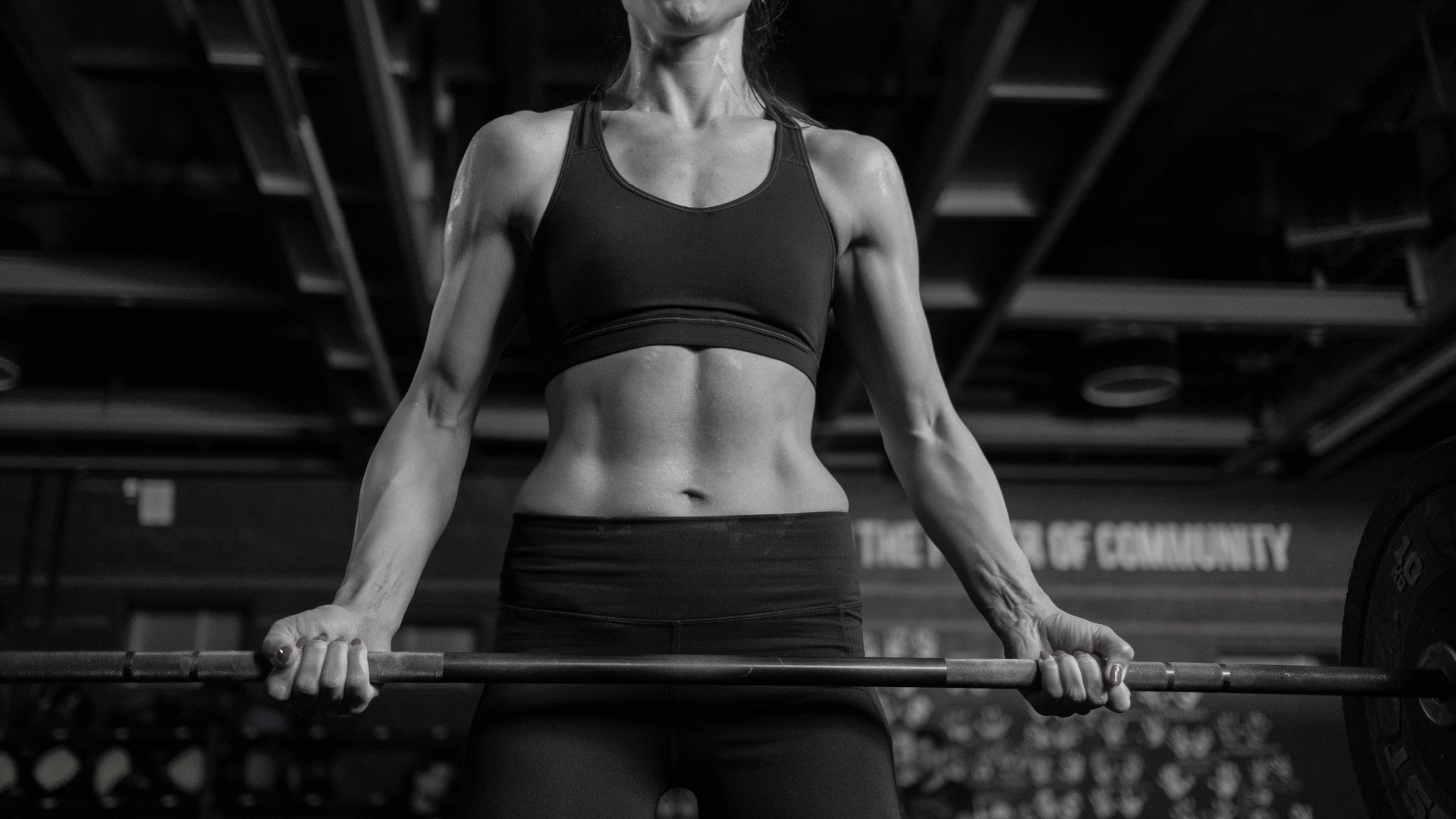
    Strength Training vs Hypertrophy: What’s Best for Combat Sports Athletes?

    Strength Training vs Hypertrophy: What’s Best for Combat Sports Athletes?

    A female athlete gripping a barbell in a gym, emphasizing muscle definition and strength training vs hypertrophy intensity.
    Strength training, vs hypertrophy builds raw power and durability—essential for combat sports athletes and anyone looking to improve performance and resilience.

    Strength training vs hypertrophy training—what’s the difference, and which one should combat sports athletes prioritize? If you’re a boxer, MMA fighter, or grappler, the way you build muscle and develop power directly affects your performance in the ring or on the mat. This isn’t just a combat sports concern—athletes from all backgrounds can benefit from knowing when to shift focus between strength and hypertrophy to optimize their training.

    In this guide, we’ll break down both training styles, their unique benefits, and how to structure a program that maximizes strength, endurance, and resilience for combat sports. Plus, we’ll explore how general athletes and fitness enthusiasts can apply these principles to improve their training.

    What Is Strength Training? Benefits & Who Needs It

    Strength training isn’t just about lifting heavy—it’s about maximizing force output and developing the kind of power that translates directly into explosive movement, resilience, and athletic dominance. Whether you’re a combat sports athlete looking to improve your clinch game or a general fitness enthusiast aiming to build raw strength, understanding the mechanics of strength training is essential.

    Strength training is focused on maximizing force output—how much weight you can lift in a single effort. This style of training develops raw strength, improves neuromuscular efficiency, and builds a solid foundation for power-based sports.

    Strength Training Characteristics

     
    • Rep Ranges: 1–6 reps per set

    • Rest Periods: 2–5 minutes between sets

    • Intensity: Heavyweights (80–95% of 1RM)

    • Main Goals: Maximal strength, neuromuscular adaptation, power generation

    Benefits of Strength Training for Combat Sports Athletes

     
    • Stronger Clinch & Grappling – Wrestlers, jiu-jitsu athletes, and MMA fighters benefit from a stronger grip and greater control in scrambles.

    • Explosive Punching Power – Heavy strength work improves force production, making strikes more devastating.

    • Resilience Against Opponents – A stronger frame can withstand more damage and remain durable in long fights.

    Best Strength Training Exercises for Combat Athletes including the Core Four

     
    • Deadlifts – Builds posterior chain strength essential for takedowns.

    • Front Squats – Core engagement and lower-body drive for explosive movement.

    • Weighted Pull-Ups – Develops grip and upper-body endurance for clinch work.

    • Trap Bar Deadlifts – Safer on the lower back while maintaining full-body power.

    What Is Hypertrophy Training? Benefits & Who Needs It

    Hypertrophy training is muscle growth-focused—it increases muscle fiber size and endurance, which is crucial for repeated efforts in a fight. This type of training ensures combat sports athletes can sustain power over multiple rounds, maintaining striking force and grappling strength deep into competition.

    Hypertrophy Training Characteristics

    To build muscle efficiently, hypertrophy training follows specific principles designed to maximize muscle fiber recruitment and endurance. This training style focuses on creating metabolic stress and mechanical tension, essential for sustained power output in combat sports and general athletic performance. Understanding these key characteristics ensures athletes develop both size and functional strength, optimizing their ability to perform under fatigue.

    • Rep Ranges: 6–12 reps per set

    • Rest Periods: 30–90 seconds between sets

    • Intensity: Moderate weights (65–80% of 1RM)

    • Main Goals: Muscle size, endurance, and work capacity

    Benefits of Hypertrophy Training for Combat Sports Athletes

     
    • Increased Muscle Endurance – More muscular endurance means sustaining power over multiple rounds.

    • Faster Recovery Between Strikes – Hypertrophy improves metabolic efficiency, reducing fatigue during explosive movements.

    • Enhanced Body Composition – Lean muscle mass without unnecessary bulk keeps athletes strong and agile.

    When integrated correctly, hypertrophy training doesn’t just add size—it reinforces strength endurance, improves metabolic conditioning, and makes combat athletes more resilient under fatigue.

    Best Hypertrophy Exercises for Combat Athletes

     
    • Split Squats – Builds single-leg power and stability for kicks and takedown defense.

    • Push Press – Reinforces upper-body endurance for repeated strikes.

    • Romanian Deadlifts – Develops hamstring endurance to maintain mobility late into a fight.

    • Medicine Ball Slams – Trains fast-twitch explosiveness needed for KO shots.

    Bar chart comparing relative muscle-group emphasis (1 = low, 5 = high) across Boxing, Muay Thai kicks, Grappling, and MMA for five categories: Leg/Hip Drive, Core Rotation, Upper Push, Upper Pull/Grip, and Isometric Strength.
    Relative muscle activation demands differ by discipline.

    Strength Training vs. Hypertrophy for Non-Combat Athletes

    A grayscale anatomical rendering of a human upper body, illustrating how strength training vs hypertrophy impacts muscle activation and movement mechanics.
    Strength Training vs Hypertrophy: Strength training reinforces deep muscle structures for power, while hypertrophy builds endurance and muscle volume for sustained performance.

    While combat sports athletes rely on strength and hypertrophy training to enhance their power, speed, and resilience in the ring or cage, these methods extend far beyond fighters. Strength training builds raw power and injury resilience, making it essential for athletes in sports like football, basketball, and even endurance events. Hypertrophy training, on the other hand, benefits bodybuilders, CrossFit enthusiasts, and general gym-goers who want to build muscle size and aesthetics.

    For non-combat athletes, integrating both methods can elevate performance. Runners and endurance athletes can use strength training to improve force production, while those focused on general fitness can leverage hypertrophy to enhance muscle tone and body composition. The key is understanding which approach aligns with personal goals, ensuring that each workout contributes to a stronger, more functional physique.

    How Non-Combat Athletes Can Use Strength Training & Hypertrophy

     
    • Endurance Athletes (Runners, Cyclists, Swimmers):

      • Benefit from strength training to improve force production and efficiency.

      • Can use hypertrophy training to build muscular endurance and reduce fatigue over long distances.

    • Team Sport Athletes (Football, Basketball, Soccer):

      • Require strength training for explosive power and injury prevention.

      • Hypertrophy training aids in muscle balance and endurance for sustained performance.

    • General Fitness Enthusiasts:

      • Strength training builds a foundation for functional movement and longevity.

      • Hypertrophy training enhances aesthetics and overall muscle health.

    • Older Adults & Injury Recovery:

      • Strength training prevents muscle loss and maintains joint integrity.

      • Hypertrophy training improves muscle mass and metabolic health.

    By incorporating both training styles strategically, non-combat athletes can optimize performance, prevent injuries, and maintain long-term fitness.

    FactorStrength TrainingHypertrophy Training
    GoalMaximal strength & powerMuscle size & endurance
    Reps1–6 per set6–12 per set
    Rest Time2–5 min30–90 sec
    Weight Load80–100% 1RM65–80% 1RM
    Training EffectStronger lifts, better force productionMore muscle volume, improved fatigue resistance

    Best Training Split for Combat Sports Athletes

    A hybrid training model is the most effective approach, combining strength training for raw power and hypertrophy for muscle endurance. This balanced method ensures combat sports athletes develop explosive force while maintaining the stamina needed to outlast opponents in long bouts. For general athletes, it creates a foundation of strength and resilience, optimizing performance across multiple disciplines.

    Example Weekly Split


    Day 1: Strength Focus (Lower Body)

    • Deadlifts: 4×5 (Heavy)

    • Bulgarian Split Squats: 3×8 (Moderate)

    • Box Jumps: 3×6 (Explosive)

    • Core Work: Hanging Leg Raises 3×12

    Day 2: Hypertrophy Focus (Upper Body)

    • Push Press: 4×10

    • Weighted Chin-Ups: 4×8

    • Dumbbell Bench Press: 3×12

    • Triceps Dips: 3×10

    Day 3: Combat-Specific Drills

    • Heavy Bag Work: 3-minute rounds x5

    • Sprint Intervals: 5 rounds (30s sprint, 1 min rest)

    • Plyometric Push-Ups: 3×12

    Day 4: Strength Focus (Upper Body)

    • Trap Bar Deadlifts: 4×5

    • Barbell Rows: 3×8

    • Overhead Press: 4×6

    • Farmer’s Carries: 3x30s

    Day 5: Hypertrophy Focus (Lower Body & Core)

    • Front Squats: 4×10

    • Romanian Deadlifts: 3×12

    • Hanging Knee Raises: 3×15

    • Medicine Ball Slams: 3×10

    Weekly Training Split

     
    DayFocusExercises
    Day 1Strength (Lower Body)Deadlifts, Bulgarian Split Squats, Box Jumps, Hanging Leg Raises
    Day 2Hypertrophy (Upper Body)Push Press, Weighted Chin-Ups, Dumbbell Bench Press, Triceps Dips
    Day 3Combat-Specific DrillsHeavy Bag Work, Sprint Intervals, Plyometric Push-Ups
    Day 4Strength (Upper Body)Trap Bar Deadlifts, Barbell Rows, Overhead Press, Farmer’s Carries
    Day 5Hypertrophy (Lower Body & Core)Front Squats, Romanian Deadlifts, Hanging Knee Raises, Medicine Ball Slams

    How to Program Both for Maximum Gains

    A high-resolution rendering of muscle fibers, visually depicting how strength training vs hypertrophy influences muscle density, growth, and functional power.
    Strength Training vs Hypertrophy: Strength work builds dense, explosive muscle fibers, while hypertrophy increases size and endurance for combat sports and athletic performance.

    To achieve the perfect balance between strength and hypertrophy, a structured training approach is essential. Implementing periodization, alternating focus blocks, and adjusting volume and intensity can optimize gains without leading to burnout.

    Key Programming Strategies

     
    • Periodization Matters: Alternate between strength and hypertrophy phases depending on competition schedules and fitness goals.

    • Prioritize Strength During Fight Camps: In the final 6–8 weeks before a fight, reduce hypertrophy work and focus on maintaining maximal strength.

    • Use Hypertrophy in Off-Season: Post-fight, shift towards hypertrophy training to rebuild muscle mass and enhance muscular endurance.

    • Balance Volume and Recovery: Heavy strength training requires longer recovery times, so plan rest strategically to avoid overtraining.

    • Integrate Hybrid Training Blocks: Incorporate both methods by programming strength-focused days alongside hypertrophy-driven sessions for a comprehensive approach.

    Sample Training Split

     
    DayFocusPrimary Training Style
    MondayLower BodyStrength (Low Reps, High Load)
    TuesdayUpper BodyHypertrophy (Moderate Reps, Moderate Load)
    WednesdayActive RecoveryMobility & Conditioning
    ThursdayFull-Body PowerStrength & Explosive Training
    FridayLower BodyHypertrophy (Moderate Reps, High Volume)
    SaturdayCombat Sport-Specific TrainingMixed Strength & Endurance
    SundayRest or Light MobilityRecovery Focus
    A detailed anatomical illustration showing the breakdown of muscle fibers, highlighting how strength training vs hypertrophy affects muscle structure and neuromuscular adaptation.
    Strength Training vs Hypertrophy: Strength training enhances neuromuscular efficiency for maximal force, while hypertrophy training increases muscle fiber size for sustained endurance and growth.

    Strength vs Hypertrophy

    Training StyleMain GoalRep RangeRest TimeBest For
    Strength TrainingMax force & power1-6 reps2-5 minExplosive strength, power athletes, combat sports
    Hypertrophy TrainingMuscle growth & endurance6-12 reps30-90 secSustained power, muscle endurance, physique goals
    Hybrid ApproachStrength + SizeMix of bothVariesBalanced performance, fighters, all-around athletes

    In Closing…

    Strength, Hypertrophy & Becoming an Absolute Machine


    For combat sports athletes, skipping either strength or hypertrophy training is leaving gains, power, and endurance on the table. Strength work gives you raw force—the ability to hit harder, push opponents around, and explode when it matters most. But that raw power doesn’t last without muscle endurance, and that’s where hypertrophy training keeps you in the fight. More muscle = better gas tank, more resilience, and sustained power deep into rounds. If you gas out before the final bell, what good is that one-punch knockout power? You need both.

    The smartest fighters structure their training like a fight camp—hypertrophy-focused work in the off-season to build muscle, then a shift toward strength and power as competition approaches. This keeps you strong, fast, and conditioned without sacrificing endurance or mobility. Fighters who master this balance are the ones who stay explosive, durable, and dominant for years.

    For non-combat athletes, the same principles apply. Whether you’re a sprinter, lifter, or just trying to look and move better, strength training builds pure power while hypertrophy supports endurance and muscle growth. Even casual gym-goers should train both—get stronger so you don’t break down, and build muscle so you look and perform better. No wasted effort, no fluff—just results.

    The Takeaway? Strength and Hypertrophy Go Hand in Hand.


    You don’t pick one or the other. You use bothstrategically. Strength training builds a foundation of power; hypertrophy makes sure that power lasts and keeps you in the fight (or in the game). The best athletes train smart, balance their focus, and never stop evolving.

    Train both. Train smart. Dominate.

    FAQ Section

    Strength training focuses on max force production—how much weight you can lift in a single effort (1-6 reps, heavy loads). Hypertrophy training builds muscle size and endurance (6-12 reps, moderate loads). Both matter for combat sports and overall athletic performance.

    Both—just at the right times. Hypertrophy should dominate the off-season to build muscle and endurance. Strength training takes priority closer to fight camp to maximize explosive power.

    Yes, but not optimally. Strength work requires longer rest & heavier loads, while hypertrophy needs more volume & shorter rest. The best approach is periodization—focus on one, then transition.


    • Hypertrophy focus: 4-5 days/week, moderate weight, higher reps.
    • Strength focus: 3-4 days/week, heavier weights, lower reps, longer rest.
    • Hybrid: 3-5 days/week with strategic programming.

    Absolutely. Strength training improves power, bone density, and injury resistance. Hypertrophy enhances endurance, aesthetics, and muscular balance. Even if you’re not fighting, both make you stronger, leaner, and more athletic.

    Resources

    coachjohanncscs.com only uses primary research and scholarly studies as references over secondary sites. Other references are primarily from reputable social media accounts of experts only in the fields of health, nutrition, sports science, physiology, psychology, and physical therapy. 

    Related Posts

    Get Your Strength & Hypertrophy Results Instantly!

    Use My Strength Calculator to Find Your Exact Training Numbers:

  • Muay Thai Gym vs. Boxing Gym: Which One Is Best for You in 2025?
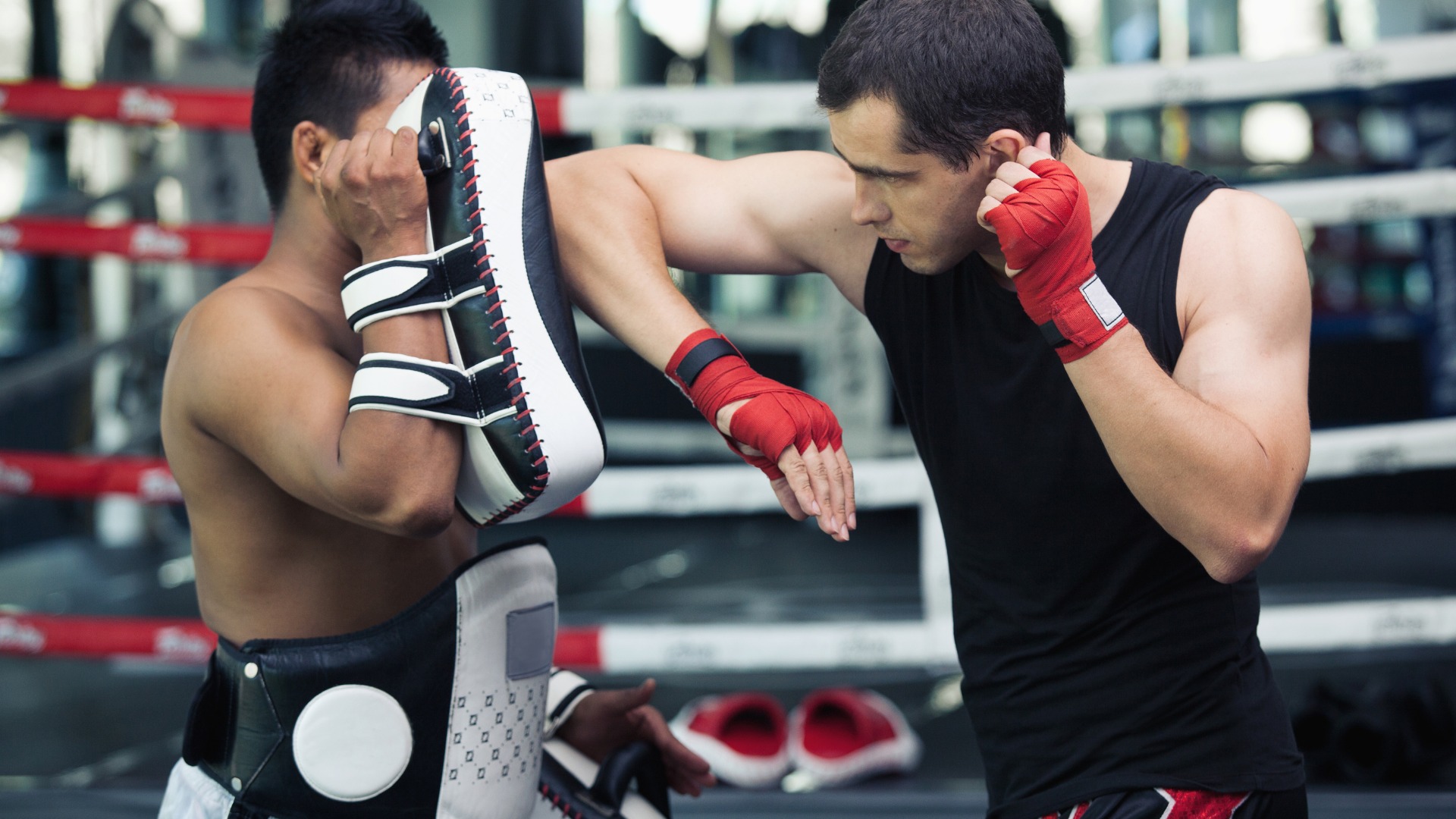
    Muay Thai Gym vs. Boxing Gym: Which One Is Best for You in 2025?

    Muay Thai Gym vs. Boxing Gym: Which One Is Best for You in 2025?

    A Muay Thai fighter performing an elbow strike during pad training in a gym.
    Precision and power: A Muay Thai fighter perfects an elbow strike with partner pad drills. These techniques reflect the art’s versatility and tradition.

    Why Choosing the Right Gym Matters


    When deciding between a Muay Thai gym and a boxing gym in 2025, your choice depends on your goals, interests, and preferred training atmosphere. These gyms cater to different disciplines, and understanding their unique offerings is crucial to making the best decision.

    Both Muay Thai and boxing gyms have rich traditions and deeply rooted communities, yet they differ significantly in technique, culture, and training focus. Here, we’ll break down the key differences to help you choose the gym that aligns with your personal goals.

    Comparison: Muay Thai Gym vs. Boxing Gym

    FeatureMuay Thai Gym 🥋Boxing Gym 🥊
    General Culture
    Most Muay Thai gyms/training are team-based with designated skilled pad-holders as teammates. Familial with a very healthy female-friendly vibe. People talk about Muay Thai culture and are generally friendly and supportive while being tough.Most gyms center around a head coach with mitt holders being trained coaches. Very tribal with individual progress supported by a group vibe. Tends to be way more fitness-centric with fewer women, but female-friendly. Talking about training hard and general motivation is common.
    Training FocusTechnique, power, lots of hand-fighting–clinchingConditioning, endurance, speed, physical fortitude
    Sparring StyleCan be experimental, light, playful & technical, with varied intensityHarder, more strategic and personal, intense, full-contact mostly
    Best ForMMA fighters, kickboxers, self-defense seekersBoxers, self-defense, fitness enthusiasts
    Common InjuriesBruised shins, knee strains, hip dysfunction and bursitisHead trauma is unlikely but certainly possible over many many years, shoulder pain
    FootwearBarefoot trainingBoxing shoes preferred
    Bag TrainingBanana bags, teardrop bags, heavy bagsHeavy bags, speed bags, double-end bags and way more
    Coach StyleA village. Partner-based, very close contact, grappling, hands-onMentorship, highly personal and motivational coaching
    Fitness LevelGood for all ages, lower impact on joints, running cardio is essential but less emphasized—”do more muay Thai” spiritMuch higher youth and teen engagement, high cardio, heavy fitness culture—running is almost an unspoken requirement
    Self-DefenseMore effective in close, clinching/grappling situationsEffective for striking & head movement
    Weight Training CultureLess emphasis on weights, more bodyweightWeight training heavily incorporated
    Gym EnvironmentTraditional, disciplined, communal, large tribal ties sometimes, extremely female-friendlyGritty, hard-working, small-to-medium tribe size, fitness-based, fewer women but female-friendly

    Muay Thai Gyms: The Art of Eight Limbs

    Muay Thai, known as the “Art of Eight Limbs,” is Thailand’s national sport and a centuries-old martial art. It incorporates punches, kicks, knees, and elbows, making it one of the most dynamic and versatile striking disciplines.

    History and Community of Muay Thai


    Muay Thai originates as a defense system for the Thai military, and today it is revered worldwide for its balance of tradition and effectiveness. Training in a Muay Thai gym immerses you in a community that values respect, technique, and mindfulness. When I learned at first, bowing in and bowing out where expected customs as we said, “Sawasdee krap.” At another school, we would chant the founder, Sityotdang’s name once with a clap, while looking at his picture, to sign out of class. 

    Unlike boxing gyms, which can be more physically intense, Muay Thai gyms compete practitioners of all ages and skill levels.

    The Muay Thai community is inclusive, supportive, and focused on skill development. Sparring is can be playful and light, emphasizing technique over brute force and other times brutal and relentless. This makes Muay Thai a great option for individuals seeking a balance between fitness and martial arts.

    Training Approach for Muay Thai


    Muay Thai gyms focus heavily on technique, body awareness, and balance. Training sessions typically include:

    • Clinching drills: Mastering grappling and close-range fighting techniques.

    • Kicking and kneeing: Developing power and precision with your legs.

    • Thai pad work: Learning to deliver strikes with accuracy while also holding pads for your partner.

    Sparring in Muay Thai is less aggressive compared to boxing at times and amateur fights can be medium-intense-sparring sessions. This is never the case in boxing though knockouts might be discouraged. Fighters engage in controlled exchanges to reduce the risk of injury, allowing for consistent practice. This lighter approach is perfect for building confidence and honing skills without overexertion.

    Gym Equipment and Layout


    Muay Thai gyms boast a wide variety of specialized equipment, including:

    • Heavy Bags: Typically longer and softer than boxing heavy bags, ranging from 6 to 7 feet in height. Banana bags, used specifically for low kicks and knee strikes, weigh between 100-150 pounds.

    • Thai Pads: Essential for training kicks, knees, elbows, and punches. These thick, firm pads allow practitioners to develop power while training with a partner.

    • Belly Pads: Worn by pad holders to absorb body shots and knee strikes, allowing for more dynamic training sessions.

    • Shin Guards: Necessary for sparring to protect against the high impact of repeated kicks.

    • Focus Mitts: Used for refining hand speed and boxing technique within Muay Thai training.

    • Kick Shields: Thick, dense pads used for absorbing powerful roundhouse kicks and push kicks.

    • Jump Ropes: Integral for footwork and cardiovascular conditioning. Thai ropes are known to be two pounds compared to conventional jump ropes which are less than three-quarters of a pound.

    Muay Thai training is traditionally practiced barefoot, which enhances balance, strengthens foot muscles, and improves proprioception. Unlike boxing, which utilizes different shoes for training and competition, Muay Thai practitioners develop stability and control through direct contact with the ground. The lack of footwear also allows for seamless execution of pivoting movements, essential for effective kicking and kneeing techniques.

    • Heavy bags for power kicking drills.

    • Banana bags for low kicks and knee strikes.

    • Belly pads and shin guards for protection.

    • Thai pads for versatile striking drills.

    The gym layout often includes open spaces for clinching and multiple heavy bags for individual practice. Clean, modern facilities are increasingly common, especially in Western countries.

    🥊 My two favorite Boxing GlovesRaja Boxing All Leather ($99) | Fairtex (includes 10% off!) ($89+)


    A group of Muay Thai trainees bowing in respect during a traditional class in Thailand.
    Respect and tradition: Muay Thai practitioners bow to honor their coaches and the art’s heritage before training begins.

    Boxing Gyms: The Sweet Science

    What Makes Boxing a Unique Combat Sport?


    Boxing, often referred to as the “Sweet Science,” is one of the oldest and most respected combat sports. It focuses solely on punches, footwork, and head movement, creating a discipline that prioritizes precision, endurance, and strategic offense.

    The Evolution and Culture of Boxing Gyms


    Boxing has a deep-rooted history in the United States and Europe, with an amateur system dating back over a century. The structured path from amateur to professional boxing provides clear development opportunities. Boxing gyms have historically been working-class training hubs, offering mentorship, structure, and a sense of discipline to members.

    The boxing community is communal and values hard work and respect. Sparring is intense and competitive, designed to test a fighter’s durability and mental toughness.

    How Boxing Gyms Structure Training Sessions


    Boxing gyms focus on athletic conditioning, technical precision, and repetition. Typical training includes:

    • Shadowboxing – Developing fluid movement and form.

    • Heavy bag drills – Enhancing punching power and endurance.

    • Mitt work – Refining accuracy and speed with a coach.

    • Roadwork – Running 2–5 miles daily to build endurance and mental resilience.

    • Defensive techniques – Mastering slips, parries, and footwork to avoid incoming strikes.

    Boxing sparring is often more intense than Muay Thai sparring, reinforcing resilience and durability under pressure.

    Essential Equipment in a Boxing Gym

    Boxing gyms utilize specific equipment to optimize striking efficiency and endurance:

    • Standard Heavy Bags – 80-150 lb bags for improving punching technique and endurance.

    • 300-Pound Bags – Extra-heavy bags for advanced power training.

    • Uppercut Bags – Angled bags designed to refine close-range power shots.

    • Slip Balls – Suspended bags for training head movement and defensive reflexes.

    • Double-End Bags – Tethered bags that enhance precision, speed, and counterpunching ability.

    • Speed Bags – Improving hand-eye coordination and rhythm.

    • Boxing Rings – Essential for sparring, footwork drills, and controlled fight simulations.

    Boxers also incorporate weightlifting into training, focusing on explosive power and muscular endurance. Muay Thai gyms, in contrast, prioritize bodyweight exercises and clinching drills over traditional weightlifting.

    🥊 My two favorite Boxing Gloves (my affiliates also) – TITLE Pro-Mex ($99) | Cleto Reyes ($250+)

    A female boxer training with a coach, practicing focus mitt drills in a boxing ring.
    Focus and intensity: A dedicated female boxer hones her speed and accuracy through mitt work, a staple of boxing training.

    Key Differences Between Muay Thai and Boxing Gyms

     
    FeatureMuay Thai GymBoxing Gym
    Striking TechniquesPunches, kicks, knees, elbowsPunches only
    CommunityInclusive, supportive, technique-drivenIntense, gritty, fitness-focused
    EquipmentThai pads, belly pads, shin guardsHeavy bags, speed bags, mitts
    Sparring StyleLight and playfulIntense and competitive
    Fitness FocusProprioception and balanceConditioning and endurance

    Who Should Train at a Muay Thai Gym or Boxing Gym?


    Women in Combat Sports: Finding the Right Fit


    Women are increasingly drawn to Muay Thai gyms and boxing gyms, as both offer self-defense skills, confidence-building, and elite-level fitness.

    • Muay Thai gyms are particularly welcoming to women, often offering women-only classes and a strong community focus.

    • Boxing gyms have historically been male-dominated, but many now provide inclusive spaces where women can excel in conditioning, self-defense, and competition.

    • Both disciplines develop agility, endurance, and technical skill, making them excellent choices for women looking for empowerment and fitness in 2025.

    A young boy wearing boxing gloves in a gym, confidently posing with his fists up.
    Building confidence: Youth boxing programs foster discipline, fitness, and mental resilience from an early age.

    Competitive Fighters: Which Gym Leads to the Ring?


    For those seeking to compete, choosing the right gym can define their fighting career.

    • Boxing gyms offer a clear amateur-to-professional pathway, with a structured system governed by organizations like USA Boxing.

    • Muay Thai gyms provide a versatile striking foundation, crucial for both Muay Thai and MMA competition.

    • Competitive boxers often spar harder and focus heavily on head movement and power punching, whereas Muay Thai fighters must train for knees, elbows, and clinching. The extra “weapons” in Muay Thai and the potential for training damage often limit the intensity of sparring. Traditionally, Muay Thai sparring can be light and free—allowing athletes to experiment with many movement patterns.

    • If your goal is MMA, training at a Muay Thai gym first may be beneficial, as it covers a broader range of striking techniques.

    Former Athletes: Transitioning to Combat Sports


    Many former athletes from sports like football, wrestling, soccer, and basketball transition to combat sports for discipline, challenge, and conditioning.

    • Boxing emphasizes explosive speed, reaction time, and conditioning, which appeals to ex-sprinters, runners, football players, and wrestlers.

    • Muay Thai focuses on balance, coordination, and lower-body engagement, making it a strong option for soccer players, martial artists, casual intramural players, and gymnasts.

    • Both options offer structured training and a competitive outlet, ensuring that former athletes can keep their competitive edge sharp.

    Fitness Enthusiasts: Which Gym Provides the Best Workout?


    For those seeking intense, full-body conditioning, both boxing and Muay Thai deliver incredible results, but in different ways:

    • Boxing gyms provide high-intensity training with a heavy focus on footwork, total-body agility, and endurance cardio.

    • Muay Thai gyms incorporate kicking, knee strikes, and clinch work, activating the entire body with more mobility and explosive training.

    • While boxing is arguably more intense in long-term cardio output, Muay Thai involves dynamic movements that build functional power and strength.

    MMA Practitioners: Which Discipline Should You Learn First?


    MMA fighters need both boxing and Muay Thai skills, but which one to start with depends on your fighting style.

    • Boxing gyms develop sharp hands, elite footwork, and defensive skills, which are essential for MMA stand-up striking.

    • Muay Thai gyms teach a broader range of striking techniques, including kicks—teeps, round, low, side kicks—knees, and elbows, giving MMA fighters more tools for offense.

    • Many successful MMA strikers have a base in Boxing first, as it covers a wider range of stand-up fighting skills before Muay Thai refinement.

    Self-Defense Seekers: Which Gym Provides Practical Protection?


    Many people train in combat sports for self-defense. Which is better?

    • Boxing gyms train hand speed, head movement, and precision striking, which can be highly effective in real-world situations.

    • Muay Thai gyms offer clinching, knee strikes, and leg kicks, which provide more ways to neutralize an opponent.

    • If your goal is street self-defense, Muay Thai is arguably more effective, as it trains for close-range combat and multiple forms of striking.

    Older Practitioners: Which Gym is More Age-Friendly?


    Muay Thai and boxing both offer training opportunities for older athletes, but they cater to different needs:

    • Muay Thai gyms are often more accommodating to older trainees, as the training can be lighter, more technical, and controlled.

    • Boxing gyms can be more physically demanding, as sparring is often heavier, and training intensity is high.

    • If you are over 40 and new to combat sports, Muay Thai is a great choice because of its technical emphasis and lower impact sparring.

    A classic boxing gym with heavy bags, a speed bag, and a boxing ring in the center.
    Boxing heritage: The no-frills environment of a traditional boxing gym creates an atmosphere of hard work and determination.

    Combat Sports Gym Comparison: Who Should Train Where?

    Training GoalBest Gym ChoiceWhy?
    Women in Combat SportsMuay Thai or BoxingBoth offer empowerment, self-defense, and elite fitness, with Muay Thai often being more inclusive.
    Competitive FightersBoxing for a base and early, frequent competition, Muay Thai for afterward for complexity and scoring criteriaBoxing provides more structured pathways to pro fighting; Muay Thai offers diverse striking tools.
    Former AthletesBoxing for raw fitness, Muay Thai for explosivenessEx-sprinters and wrestlers thrive in boxing; soccer players and gymnasts excel in Muay Thai.
    Fitness EnthusiastsBoxing for cardio, Muay Thai for full-body trainingBoxing is more intense in endurance; Muay Thai incorporates more explosive movement.
    MMA PractitionersStart with boxing, refine with Muay ThaiMuay Thai teaches kicks, knees, and clinching; boxing refines hands and footwork.
    Self-Defense SeekersMuay Thai for versatility and close-quarters defense, Boxing for precisionMuay Thai covers multiple striking ranges; boxing develops quick, precise punches.
    Older PractitionersMuay ThaiMore technical, controlled, and adaptable for different fitness levels.

    In Closing…

    Choosing between a Muay Thai gym and a boxing gym depends entirely on your goals, training style, and the kind of experience you want from combat sports.

    If you’re looking for a full-body striking art that incorporates kicks, knees, elbows, and clinching, a Muay Thai gym will help you develop balance, coordination, and a well-rounded skill set. The technical and playful sparring environment makes it great for beginners and long-term practitioners alike.

    If you prefer a discipline that emphasizes footwork, head movement, and the art of punching, a boxing gym is the way to go. With a strong culture of conditioning, high-intensity sparring, and deep history, boxing gyms are best for those who want to refine their hand speed, power, and endurance.

    Which Gym Should You Choose?


    ✅ Want to develop powerful kicks, clinching, and full-body striking?Muay Thai Gym
    Why? Muay Thai is a true full-body striking system, incorporating knees, elbows, kicks, and clinching—essential tools for both stand-up fighting and self-defense. If you want a balanced, multi-weapon approach that works at all ranges (long, mid, and close-quarters), Muay Thai is king.

    ✅ Want to master head movement, footwork, and explosive punches?Boxing Gym
    Why? Boxing is the best combat sport for developing fast reflexes, defensive movement, and knockout power. Unlike Muay Thai, where fighters take a more squared stance, boxers develop elite footwork, angles, and head movement to avoid strikes while delivering devastating counters. If you want to sharpen your hand speed, accuracy, and defensive instincts, boxing is the ultimate skill-builder.

    ✅ Want to become a well-rounded MMA fighter?Start with boxing, then add Muay Thai
    Why? Boxing gives you strong hands, footwork, and defensive movement, while Muay Thai adds kicks, elbows, and clinch control. Most elite MMA fighters start with boxing fundamentals before adding Muay Thai striking for a complete stand-up arsenal.

    ✅ Focused on fitness & cardio without getting hit?Boxing Gym
    Why? While both sports offer insane conditioning, boxing gyms are more structured for pure fitness training. Many gyms offer boxing-style HIIT classes where you hit the bags, do conditioning drills, and train like a fighter—without sparring. If you want a killer workout without full contact, boxing-based fitness programs are everywhere and deliver results fast.

    ✅ Want a more traditional, structured martial arts experience?Muay Thai Gym
    Why? Muay Thai is steeped in tradition, with a strong cultural identity built around respect, rituals, and progression through skill mastery. It’s a martial art first, and a combat sport second. If you want a disciplined environment that emphasizes technique over raw aggression, Muay Thai provides a structured, lifelong practice.

    ✅ Want to train in a gritty, no-nonsense, tough-as-nails environment?Boxing Gym
    Why? Boxing gyms have historically produced the toughest fighters on the planet. Many are blue-collar, workmanlike gyms where you train hard, spar hard, and develop an unmatched mental edge. If you want to grind, push limits, and learn from seasoned veterans, boxing gyms provide that raw, no-frills experience.

    ✅ Are you an older athlete looking for a combat sport?Muay Thai Gym
    Why? While boxing is high-impact and tough on the joints (constant head movement, explosive footwork, and repetitive impact to the head), Muay Thai offers more longevity. The sport allows for lighter sparring, a focus on technique, and a greater variety of movement patterns that reduce wear and tear. Many practitioners train well into their 50s and beyond.

    ✅ Looking for a gym where women feel comfortable training?Both, but Muay Thai is often more welcoming
    Why? Both sports have strong female participation, but Muay Thai gyms tend to have a more inclusive culture, with a focus on partner drills and technical sparring rather than hard-impact exchanges. That said, women’s boxing is exploding in popularity, and many boxing gyms now have women-only classes and tailored training programs.


    No matter what, both gyms will push you mentally and physically—it’s about finding the right training style for YOU.

    What’s Your Next Step?


    💡 Now that you know the differences between a Muay Thai gym and a boxing gym, it’s time to take action!

    ✔️ Looking for a gym near you?Find the Best Muay Thai & Boxing Gyms Near You
    ✔️ Want to train at home?Best Equipment for Home Boxing & Muay Thai
    ✔️ Not sure where to start?Our Full Training Guide for Beginners

    Recommended Gear for Your Training

    FAQ Section

    Muay Thai provides a wider range of weapons (kicks, knees, elbows, clinching), making it more versatile in real-world self-defense situations. Boxing, however, is great for head movement, evasiveness, and precision punching.

    Yes, and many MMA fighters do. However, boxing’s footwork is different from Muay Thai’s upright stance. Mastering one first will help prevent confusion.

    Muay Thai has more areas of impact (shins, knees, elbows), but boxing involves repeated head trauma due to punches. Both sports carry injury risks, but boxing’s long-term head impact is often seen as riskier.


    • Muay Thai injuries: Bruised shins, knee hyperextensions, foot fractures.
    • Boxing injuries: Hand fractures, concussions, shoulder strains.
      Proper gear and smart sparring habits reduce risks in both.

    Boxing is faster-paced and more cardio-heavy, while Muay Thai offers a full-body workout. If you love running & conditioning, boxing is great. If you want total-body fitness & flexibility, Muay Thai is ideal.

    Yes! Both sports welcome beginners, and many gyms offer beginner classes. The key is finding the right gym with proper structure and coaching.

    Resources

    coachjohanncscs.com only uses primary research and scholarly studies as references over secondary sites. Other references are primarily from reputable social media accounts of experts only in the fields of health, nutrition, sports science, physiology, psychology, and physical therapy. 

  • Why Running is Essential for Combat Sports in 2025 | Ultimate Training Guide

    Why Running is Essential for Combat Sports in 2025 | Ultimate Training Guide

    Why Running Is Essential for Combat Sports in 2025 and How to Train for It

    A combat sports athlete jogging outdoors, focusing on endurance building and cardiovascular health.
    Cardiovascular conditioning is the backbone of a fighter’s training, ensuring stamina in every round.

    Why Running is the Cornerstone of Combat Sports Conditioning


    In combat sports, skill alone does not win fights. Endurance, conditioning, and mental toughness separate the elite from the average. When two fighters have equal technique, the one who gasses out first loses.

    Running has been a non-negotiable part of combat sports training for decades. It builds fight-specific endurance, lung capacity, recovery speed, and footwork—all critical for fighters in boxing, Muay Thai, mixed martial arts (MMA), and wrestling.

    Some coaches swear by alternative conditioning methods, but nothing replaces running. Fighters need it to develop the cardiovascular base required to push through multiple rounds of high-intensity exchanges.

    This guide will cover:

    • The energy systems that fuel fighting and how running strengthens them
    • Why combat athletes prioritize running over other forms of cardio
    • How much running is necessary for fighters
    • The biomechanics of running form to prevent injuries
    • How to select the best running shoes for combat sports
    • How to balance running with strength training
     

    By the end, you will have a complete blueprint for using running as an advantage in combat sports training.

    How Running Improves Energy Systems for Combat Athletes

    Combat sports are unique because they require a hybrid of endurance, power, and short bursts of high-intensity movement. Fighters must be able to explode with powersustain activity for long periods, and recover efficiently between rounds.

    Understanding the Three Energy Systems in Combat Sports

    There are three primary energy systems in the body, and combat sports demand all of them. Running is one of the few training methods that can improve each system simultaneously.

    ATP-PC System (Immediate Energy for Knockouts and Explosive Bursts)

    The ATP-PC (adenosine triphosphate-phosphocreatine) system provides immediate energy for explosive movements such as:

    • Throwing a knockout punch
    • Shooting for a takedown
    • Delivering a flurry of strikes

    This system only lasts for about 10 to 15 seconds before it is depleted, making it crucial for quick bursts of energy. Since ATP-PC replenishment depends on efficient recovery, fighters with a strong aerobic base can reload this system faster.

    Anaerobic Glycolysis (Short-Term Energy for High-Paced Exchanges)

    Anaerobic glycolysis produces energy for intense movements lasting from 30 seconds to 2 minutes, such as:

    • Extended striking combinations
    • Wrestling scrambles
    • Clinching and dirty boxing

    This system produces lactic acid, leading to muscle fatigue and burning sensations. Fighters who cannot clear lactic acid efficiently experience slower movement, reduced punching power, and increased exhaustion.

    Aerobic System (Endurance and Recovery Between Rounds)

    The aerobic system provides sustained energy for long-duration activity, helping fighters:

    • Last five rounds without gassing out
    • Recover quickly between rounds
    • Regenerate ATP-PC and anaerobic systems faster


    This is where running plays the most significant role. A well-trained aerobic system allows a fighter to sustain effort longer and recover between explosive bursts.

    Why Running is the Best Conditioning Method for Combat Sports Athletes

    While some argue that combat sports training alone is enough, running offers unique physiological benefits that other cardio methods cannot match.

    How Running Compares to Other Cardio Options for Combat Athletes

     
    Cardio MethodEffectiveness for Combat SportsLimitations
    RunningBuilds endurance, footwork, and anaerobic thresholdHigh impact, potential injury risk
    CyclingLow impact, improves enduranceLacks footwork & explosive adaptations
    RowingFull-body engagement, great for strengthLimited transfer to combat-specific movements
    SwimmingImproves lung capacity, low impactNo lower-body impact or footwork benefits
    Jump RopeEnhances coordination and staminaLess endurance training than running

    Running outperforms other cardio methods because it:

    • Builds endurance without sacrificing power
    • Improves energy system efficiency across all fight scenarios
    • Strengthens mental toughness through long-distance efforts
    • Reinforces footwork and lower-body conditioning
     

    No other form of conditioning is as directly applicable to fight endurance.


    While alternative methods have benefits, running builds endurance, strengthens footwork, and improves cardiovascular conditioning better than any other training modality.

    How Running Helps Fighters Recover Faster Between Rounds


    A fighter’s ability to recover between rounds is often the difference between winning and losing. When the heart rate remains high due to poor conditioning, fatigue accumulates faster. Running improves:

    • Heart rate variability, allowing faster recovery during rest periods
    • Blood circulation, clearing lactic acid more efficiently
    • Oxygen efficiency, improving sustained energy output
     

    Fighters with elite cardio are often just as explosive in the final round as they were in the first.

    How Much Running Should Fighters Do?

    Fighters have used roadwork (long-distance running) for decades. Some old-school boxing coaches would not let fighters train without running at least three miles per day.

    The ideal running volume depends on a fighter’s skill level and training phase.

    Weekly Running Guide for Combat Sports Athletes

    Skill LevelDistance Per SessionSessions Per Week
    Beginner (0-3 months)1-3 miles3 times per week
    Intermediate (3-6 months)3-4 miles4 times per week
    Advanced (Fight Camp Mode)4-6 miles5 times per week


    Around the 30-minute mark, the body shifts from burning stored glycogen to fat metabolism, making running essential for fighters cutting weight while maintaining endurance.

    Proper Running Form for Fighters

    Most fighters develop poor running mechanics, leading to injuries such as shin splints, knee pain, and hip tightness.

    A biomechanical figure showing the muscles and joints engaged during proper running form for combat athletes.
    optimal running form for injury prevention and peak performance.

    Three Keys to Proper Running Form for Combat Athletes


    1. Foot Strike: Stay Light on Your Feet

     
    • Avoid heel striking, which increases joint stress.
    • Land midfoot, mimicking how you move in the ring.
     

    2. Posture: Engage Your Core and Lean Slightly Forward

     
    • Maintain a slight forward lean, similar to fight movement.
    • Keep shoulders back and arms relaxed.
     

    3. Breathing: Optimize Oxygen Intake

     
    • Inhale through the nose, exhale through the mouth.
    • Match inhales to every two to three steps to maintain rhythm.
     

    Injury Prevention & Best Running Shoes for Combat Sports Athletes

    Combat sports athletes put significant stress on their bodies through daily training, making injury prevention essential. Running—when done improperly or with poor footwear—can lead to shin splints, knee pain, hip tightness, and even stress fractures. However, with proper technique, recovery strategies, and the right shoes, athletes can mitigate these risks while maximizing endurance gains.

    How to Prevent Running Injuries


    To stay injury-free while running, combat sports athletes should focus on:

    1. Shin Splints Prevention:

      • Strengthen calves and ankles through targeted resistance training.

      • Run on softer surfaces (grass, sand, or synthetic tracks) when possible.

      • Gradually increase mileage to avoid overuse injuries.

    2. Knee Pain Reduction:

      • Improve foot strike by landing midfoot instead of on the heel.

      • Avoid overstriding, which increases impact stress on the knees.

      • Incorporate unilateral strength work (single-leg squats, lunges) to balance lower-body mechanics.

    3. Hip & Lower Back Health:

      • Include post-run mobility drills and dynamic stretching (hip flexor stretches, foam rolling, and pigeon pose).

      • Strengthen the core and glutes to provide stability during running.

      • Maintain a slight forward lean while running to reduce lumbar strain.

    Top Running Shoes for Combat Athletes in 2025


    Choosing the right running shoe is crucial for performance and injury prevention. Here are the top-rated models for combat sports athletes this year:

    • Nike Pegasus 40 → Best all-around running shoe for durability, comfort, and responsiveness.

    • Brooks Ghost 15 → Best for joint protection and reducing impact-related knee pain.

    • Saucony Endorphin Speed 3 → Best for sprint work and fight-specific power training.

    • Hoka Clifton 9 → Best for long-distance runs and enhanced cushioning.

    • Asics Gel-Nimbus 25 → Best for high-mileage runners needing maximum shock absorption.

    Additional Tips for Injury Prevention

     
    • Gradual Progression:

      Increase running volume by no more than 10% per week to allow the body to adapt without excessive strain. For example, if you’re currently running 10 miles per week, add just one additional mile the following week. This prevents overuse injuries and ensures steady endurance improvements.

    • Cross-Training:

      Incorporate activities like swimming, cycling, or rowing to reduce joint stress while maintaining cardiovascular fitness. Cycling at moderate intensity for 30–45 minutes can mimic endurance-building effects, while high-intensity intervals on a bike can replicate sprint work. Rowing engages both the upper and lower body, improving muscular endurance and explosive power. Swimming, with its low-impact nature, enhances lung capacity and full-body coordination, making it an excellent recovery tool for combat sports athletes.

    • Recovery Focus: Prioritize sleep, hydration, and nutrition to enhance tissue repair and performance.

    By optimizing running form, selecting the best footwear, and implementing injury prevention strategies, combat sports athletes can build elite endurance while avoiding setbacks.

    How to Combine Running with Strength Training for Combat Athletes

    Balancing running and strength training is critical for combat sports athletes who need endurance without sacrificing power. A proper schedule maximizes both aerobic capacity and muscular strength while preventing overtraining.

    Key Components of a Fighter’s Training Schedule


    Combat sports athletes must balance three key training elements:

    1. Skills Work (Drills, Pad Work, Sparring): The most important aspect, refining technique and fight IQ.

    2. Strength & Conditioning (Strength, Power, and Explosiveness): Builds raw strength, durability, and injury prevention.

    3. Running (Roadwork & Sprint Work): Enhances endurance, cardiovascular efficiency, and fight recovery.

    Recommended Training Schedule for Combat Athletes


    The ideal schedule depends on an athlete’s competition phase and experience level. Here’s a structured weekly breakdown:

    Training PhaseRoadwork (Miles)Strength SessionsSprint WorkSparring & Skills Work
    Off-Season3-4 miles, 5x/week3x/week (heavy)1x/week3-4x/week
    Fight Camp (8 Weeks Out)4-6 miles, 4x/week2x/week (moderate)2x/week5x/week
    Fight Week2-3 miles, 2-3x/week1x/week (light)None3-4x/week


    How Roadwork (Running) Fits Into Combat Sports Training


    The term “roadwork” refers to long-distance running done consistently to build endurance and stamina. Traditional fighters often ran every weekday to ensure peak conditioning.

    Recommended Roadwork Approach—Combat Sports:

     
    • For Peak Conditioning: Run 5 times per week, 2-3 miles minimum, or 20–30 minutes straight.

    • For Maintenance: Run 3 times per week, 2-3 miles.

    • Fight Camp Adjustments: Scale distance based on weight cutting and fatigue management.

    Strength Training Considerations for Combat Athletes

     
    • Power & Raw Strength Phase (Off-Season): Heavy compound lifts (squats, deadlifts, presses) performed at 85-90% 1RM to build maximal force output.

    • Explosive & Speed Phase (Mid-Camp): Plyometrics, Olympic lifts, and kettlebell work to improve power application.

    • Endurance & HIIT Phase (Fight Camp): Circuit training, high-rep work, and fight-specific resistance drills to improve muscular endurance.

    Running and Weight Training Timing

     
    • Best Practice: Separate heavy lifting and long runs (avoid both on the same day). If you must try a split: perform your run first or separate from your lifting or skills session. Run early in the day or later, both before skills.

    • For Power Development: Use hill sprints instead of treadmill cardio.

    • Fight Simulation: Lift weights AFTER running to mimic late-round fatigue in fights.

    A close-up of a runner's feet on a track, demonstrating proper running mechanics for combat sports training.
    Proper running mechanics can reduce injury risk and improve endurance for combat sports athletes.

    In Closing…

    Running is not just an optional training tool—it is a foundational requirement for combat sports athletes looking to maximize their performance. Fighters who commit to structured roadwork develop superior endurance, explosive power, and faster recovery, all of which are essential for maintaining dominance in the later rounds of a fight.

    Why Running is the Ultimate Weapon for Combat Sports Athletes

    1. Unmatched Cardio Conditioning

      • Builds the aerobic engine necessary for sustained performance.

      • Supports all three energy systems crucial for combat sports.

      • Enhances the body’s ability to clear lactic acid and delay fatigue.

    2. Faster Recovery Between Rounds

      • Lowers heart rate quicker, giving fighters more energy reserves.

      • Improves blood circulation, allowing muscles to recover efficiently.

      • Increases lung capacity, leading to more efficient oxygen usage.

    3. Improved Footwork and Movement Efficiency

      • Running on various surfaces develops adaptability and agility.

      • Strengthens lower-body muscles to maintain a solid fight stance.

      • Conditions the tendons and ligaments for durability in combat.

    Structuring Running Into a Fighter’s Training Plan

    For peak conditioning, combat athletes should integrate running into their weekly training schedule based on fight preparation phases:

    • Off-Season: 3-4 runs per week, focusing on endurance and base-building (3-5 miles per session).

    • Pre-Camp: 4-5 runs per week, incorporating interval sprints and hill training.

    • Fight Camp: 5+ runs per week, including long-distance runs and fight-specific sprint drills.

    Running must be balanced with strength training to maintain power and explosiveness. Off-season and pre-camp cycles prioritize strength and hypertrophy, while fight camp phases shift toward explosiveness and endurance. Running should always remain consistent, as neglecting it can result in diminished conditioning when it matters most.

    A fighter’s endurance is often the deciding factor between victory and exhaustion. Prioritizing structured roadwork, optimizing form, and maintaining a balance between strength and conditioning will ensure peak performance inside the ring. Elite fighters are not just the strongest or most skilled—they are the best-conditioned. Running is what separates them from the rest. Start now, and build a gas tank that never runs dry.

    Running remains the ultimate conditioning tool for combat sports athletes, improving endurance, footwork, recovery, and overall fight performance. It ensures that combat athletes can execute powerful strikes, sustain grappling exchanges, and recover efficiently between rounds.

    By following structured running plans, optimizing form, and balancing strength training, combat athletes can build elite-level conditioning that outlasts any opponent.

    FAQ Section

    Combat sports athletes should run at least 3-5 times per week depending on their training phase. Beginners should start with 3 runs per week, while advanced fighters in fight camp should aim for 5+ runs, focusing on endurance and interval sprint work.

    For general conditioning, 2-4 miles per session is ideal. Fighters in fight camp mode should push for 4-6 miles per session, incorporating sprints and hill runs to simulate explosive fight demands.

    While running is the most effective conditioning method for combat sports, it should be complemented with interval training, jump rope, shadowboxing, and swimming to maintain variety and prevent overuse injuries.


    A balanced training schedule looks like this:

    • Monday – 3-4 mile endurance run
    • Tuesday – Sprint intervals or hill sprints
    • Wednesday – Rest or skill-based cardio (jump rope, heavy bag work)
    • Thursday – 4-5 mile steady-state run
    • Friday – Sprint work or explosive drills
    • Saturday – Active recovery (light jog, cycling, or swimming)
    • Sunday – Rest or low-intensity roadwork

    Yes, running is a critical tool for weight cutting. Fighters burn a high amount of calories, sweat out excess water weight, and improve fat oxidation when running at moderate intensities for 30+ minutes.


    • Roadwork focuses on building endurance and recovery, usually consisting of steady-state 3-6 mile runs.
    • Sprint training develops explosive power and fight-specific conditioning, incorporating short, high-intensity bursts (100m-400m sprints) with recovery periods.

    Resources

    coachjohanncscs.com only uses primary research and scholarly studies as references over secondary sites. Other references are primarily from reputable social media accounts of experts only in the fields of health, nutrition, sports science, physiology, psychology, and physical therapy. 

  • 10 Killer Boxing Drills to Improve Speed, Power, and Endurance​

    10 Killer Boxing Drills to Improve Speed, Power, and Endurance​

    10 Killer Boxing Drills to Improve Speed, Power, and Endurance

    Boxing drills like jumping rope increase endurance, strength and speed
    This fighter is doing boxing drills like jumping rope to increase endurance, strength and speed

    Boxing is a full-body workout that demands explosive power, lightning-fast speed, and the endurance to last throughout the rounds. Whether you’re a seasoned fighter or just starting out, mastering key boxing drills can make all the difference in your performance. In the ring, speed, power, and endurance aren’t just about raw athleticism—they are the core of what makes a fighter successful.

    Each of these attributes is vital to your overall boxing performance, and strengthening them through targeted drills will improve your fighting efficiency, reduce fatigue, and enhance your ability to withstand the physical demands of the sport. The right combination of boxing drills helps fighters build quicker reaction times, generate more forceful punches, and increase cardiovascular stamina for those long, grueling bouts.

    This guide will cover 10 killer boxing drills that will help you improve speed, power, and endurance. These drills are designed to push your limits, build strength, and ultimately boost your performance in the ring. From improving your footwork to developing punching power and increasing stamina, each drill plays a specific role in creating a well-rounded fighter.

    boxing drill answer target quick answers

    Speed Drills for Boxers

    Boxing drills to work quick jabs like the double end ball
    Boxing drills to work quick jabs like the double end ball

    Speed is one of the most crucial attributes for any boxer, and developing quick reflexes can mean the difference between landing a punch and getting hit yourself. Speed in boxing isn’t just about moving fast—it’s about having quick reaction times, efficient footwork, and the ability to change directions rapidly.

    How to Improve Speed

    1. Footwork Ladder Drills
      Footwork is the foundation of speed in boxing. The ability to move quickly and efficiently in all directions allows you to control the distance and position yourself for your next move. Footwork ladder drills are a great way to improve agility, coordination, and quickness. Perform these drills in different directions (lateral, forward-backward, in-out) to improve multi-directional speed.
      • Pro Tip: Focus on staying light on your feet and maintaining quick, sharp movements. The faster you are, the more elusive you’ll be in the ring.
    2. Quick Jab Drills
      The jab is the most important punch in boxing and should be fast, precise, and explosive. Quick jab drills help you improve the speed and timing of your jab, enhancing your overall punching technique.
      • How to Perform: Throw rapid jabs with minimal movement, ensuring that each jab is thrown as quickly as possible without compromising form. Perform this drill with a shadowboxing session or while working on the bag.
      • Pro Tip: The key to faster jabs is efficient shoulder rotation and proper stance. Keep your hand at eye level, and snap your jab out as quickly as possible.
     

    Power Drills for Boxers

    Power is essential in boxing—not just for throwing heavy punches but also for maintaining control in exchanges and delivering forceful strikes with precision. Power drills focus on developing strength, explosiveness, and force generation.

    How to Improve Power

    1. Heavy Bag Work
      One of the most effective ways to build punching power is through heavy bag work. By repeatedly hitting the heavy bag, you strengthen your upper body, core, and legs while developing punching power and endurance.
      • How to Perform: Use a variety of punches—combinations, hooks, uppercuts, and jabs—while focusing on hitting the bag with maximum power. Rotate your core and hips into each punch to generate more force.
      • Pro Tip: Focus on technique—use your legs, hips, and core to drive the punch, not just your arms.
    2. Medicine Ball Slams
      Medicine ball slams are an explosive exercise that targets the entire body, especially the upper body, core, and legs. The movement mimics the explosive action required when throwing punches. This drill also helps develop core stability, which is key to generating power in the ring.
      • How to Perform: Stand with your feet shoulder-width apart, holding the medicine ball overhead. Slam the ball onto the ground as hard as you can, engaging your core and legs as you throw the ball down. Repeat for several reps.
      • Pro Tip: Focus on driving the movement from your core and legs, not just your arms. This will help you generate more power and explosiveness.

    Endurance Drills for Boxers

    Endurance is often what separates the great boxers from the good ones. A fighter’s ability to maintain energy levels through multiple rounds, while still throwing powerful punches, requires excellent cardiovascular conditioning and stamina.

    How to Improve Endurance

    1. Jump Rope
      Jumping rope is a classic boxing endurance exercise that helps develop cardiovascular fitness, coordination, and footwork. It simulates the fast-paced nature of boxing and helps improve stamina.
      • How to Perform: Start with 3-minute rounds of basic skipping, then progress to more advanced techniques like double-unders and criss-cross skips. Perform 3-4 rounds per session.
      • Pro Tip: Focus on staying light on your feet, keeping your rhythm steady. The goal is to improve your cardiovascular endurance, so avoid breaking form.
    2. Interval Training
      Boxing is a high-intensity sport that requires bursts of power followed by active recovery periods. Interval training (HIIT) is an effective way to mimic these conditions in the gym.
      • How to Perform: Alternate between high-intensity periods (e.g., 30 seconds of maximum effort on the heavy bag) followed by short recovery intervals (e.g., 30 seconds of light jabbing or active movement).
      • Pro Tip: Use the same duration of active rest and work intervals to simulate real fight conditions.

    Combining Speed, Power, and Endurance

    The key to success in boxing isn’t just improving one attribute but integrating speed, power, and endurance into a fighter’s routine. By rotating these drills and focusing on all three areas simultaneously, you can develop well-rounded skills for peak performance.

    How to Combine Speed, Power, and Endurance

    A well-balanced routine that includes speed, power, and endurance drills ensures that you are well-prepared for the physical demands of a fight. Here’s how to structure your training:

    1. Weekly Training Split
      • Day 1-2: Focus on speed drills like footwork and quick jab drills.
      • Day 3-4: Shift to power drills, such as heavy bag work and medicine ball slams.
      • Day 5-6: Focus on endurance, using jump rope and interval training to improve cardiovascular fitness.
    2. Integrating All Three
      Incorporate drills that blend all three attributes, like heavy bag work combined with jump rope intervals, or agility ladder drills with explosive medicine ball exercises. This ensures that you develop all aspects of fitness without neglecting any one area.


    After boxing drills, a fighter can be lifting weights for explosive endurance, power and strength performance
    After boxing drills, a fighter can be lifting weights for explosive endurance, power and strength performance

    Boxing Drills and Their Benefits

    DrillPrimary FocusEnergy SystemDurationBenefit
    Shadow BoxingTechnique and speedAerobic/ATP-PC3 minutesImproves reaction time and punching accuracy
    Heavy Bag IntervalsPower and enduranceAnaerobic Glycolysis2–3 minutesBuilds explosive punching power and stamina
    Footwork LadderAgility and coordinationAerobic3 minutesEnhances movement precision and ring control
    Medicine Ball SlamsExplosive core powerATP-PC30 secondsDevelops rotational strength for knockout power
    Jump Rope IntervalsCardiovascular enduranceAerobic3 minutesBoosts footwork agility and stamina
    Interval TrainingPower bursts and recoveryAnaerobic Glycolysis30 secondsSimulates high-intensity fight conditions

    In Closing…

    To succeed in boxing, a fighter must excel in speed, power, and endurance—all of which are integral to performing at peak levels. The 10 drills we’ve covered today focus on improving each of these attributes, helping you become a faster, stronger, and more enduring fighter. By incorporating these drills into your regular training routine, you’ll be building the physical capabilities necessary to excel in the ring.

    Remember, consistent training with these exercises will not only improve your overall fitness but will also sharpen your reaction times, increase your punching power, and enhance your stamina during long, grueling rounds.

    As you progress in your training, always prioritize recovery to allow your muscles time to repair and grow stronger. Additionally, continually evaluate your progress and adjust your drills to focus on the areas where you need the most improvement. Whether you are working on agility, explosiveness, or endurance, these drills will provide a strong foundation for your boxing career.

    Pro Tip: Consistency is key! To truly reap the benefits of these drills, make them a regular part of your boxing training regimen. Gradually increase intensity and focus on mastering the technique behind each movement to see tangible results in your boxing performance.

    Each drill serves a unique purpose. Bag intervals sharpen your endurance and speed, allowing you to maintain output across multiple rounds. Mitt drills simulate real-world scenarios, building accuracy, timing, and adaptability. Double-end bag work challenges your reflexes and coordination, ensuring you stay sharp under pressure. Kettlebell exercises develop the explosive power needed to generate knockout punches, while heavy strength supersets build the raw strength that serves as the foundation for power.

    But the benefits of these drills extend beyond the ring. They improve overall fitness, build confidence, and teach discipline—qualities that carry over into all areas of life. Whether you’re a seasoned fighter, an aspiring athlete, or someone looking to push your physical limits, these drills will help you unleash your potential.

    The journey to mastering speed and power isn’t easy. It demands consistency, effort, and the willingness to push through discomfort. But with the right mindset and dedication, the rewards are undeniable. You’ll not only become a better fighter but also a stronger, more resilient version of yourself.

    Remember, progress takes time. Start where you are, set clear goals, and track your improvement. Over weeks and months, the punches that once felt slow or weak will become faster, sharper, and more devastating. The key is to stay committed to the process and trust in your training.

    So, lace up your gloves, step into the gym, and start putting these drills into action. With every punch, you’re building the speed and power that will set you apart, both in the ring and beyond. The path to mastery starts today—embrace it, own it, and let your hard work speak for itself.

    FAQ Section

    High-intensity drills like bag intervals and mitt work are essential for developing speed. Focus on quick, snappy punches rather than power.

    Two to three times per week, allowing for recovery days to avoid burnout.

    Yes, shadowboxing with resistance bands or performing explosive bodyweight exercises like plyometric push-ups can help.

    Listen to your body, alternate high-intensity days with recovery-focused training, and ensure proper warm-ups and cool-downs.

    Beginners should start with 8–12 kg, focusing on technique and control before progressing to heavier weights.

    Resources

    coachjohanncscs.com only uses primary research and scholarly studies as references over secondary sites. Other references are primarily from reputable social media accounts of experts only in the fields of health, nutrition, sports science, physiology, psychology, and physical therapy. 

    1. Ambroży, T., Maciejczyk, M., Klimek, A. T., & Wiecha, S. (2020). The effects of intermittent hypoxic training on anaerobic and aerobic power in boxers. International Journal of Environmental Research and Public Health, 17(24), 9361.
      URL: https://www.mdpi.com/2075-4663/11/2/33

    2. Ruddock, A., Ranchordas, M., & Wilson, A. (2020). Physical profile of junior and senior amateur boxers. Sheffield Hallam University Research Archive.
      URL: https://shura.shu.ac.uk/28007/

    3. Tropin, Y., Podrigalo, L., & Romanenko, V. (2024). Using static-dynamic exercises to improve strength performance in elite Brazilian Jiu-Jitsu athletes. European Journal of Physical Education and Sport.
      URL: https://efsupit.ro/images/stories/may2024/Art%20133.pdf

    4.  
    5. Ambroży, T., Maciejczyk, M., Klimek, A. T., & Wiecha, S. (2020). The effects of intermittent hypoxic training on anaerobic and aerobic power in boxers. International Journal of Environmental Research and Public Health, 17(24), 9361.
      URL: https://www.mdpi.com/2075-4663/11/2/33

    6. Bushati, S., Hysa, N., & Xhaferraj, L. (2021). Development of special stability increases physical performance to boxers. Journal of Advances in Sports, 4(4), 45–50.
      URL: https://saudijournals.com/media/articles/JASPE_44_45-50_FT.pdf

    7. El-Ashker, S. (2018). The impact of a boxing training program on physical fitness and technical performance effectiveness. Journal of Physical Education and Sport, 18(3), 1982–1989.
      URL: https://www.efsupit.ro/images/stories/iunie2018/Art%20137.pdf