
Your cart is currently empty!
Blog
-

Strength Training vs Hypertrophy: What’s Best for Combat Sports Athletes?
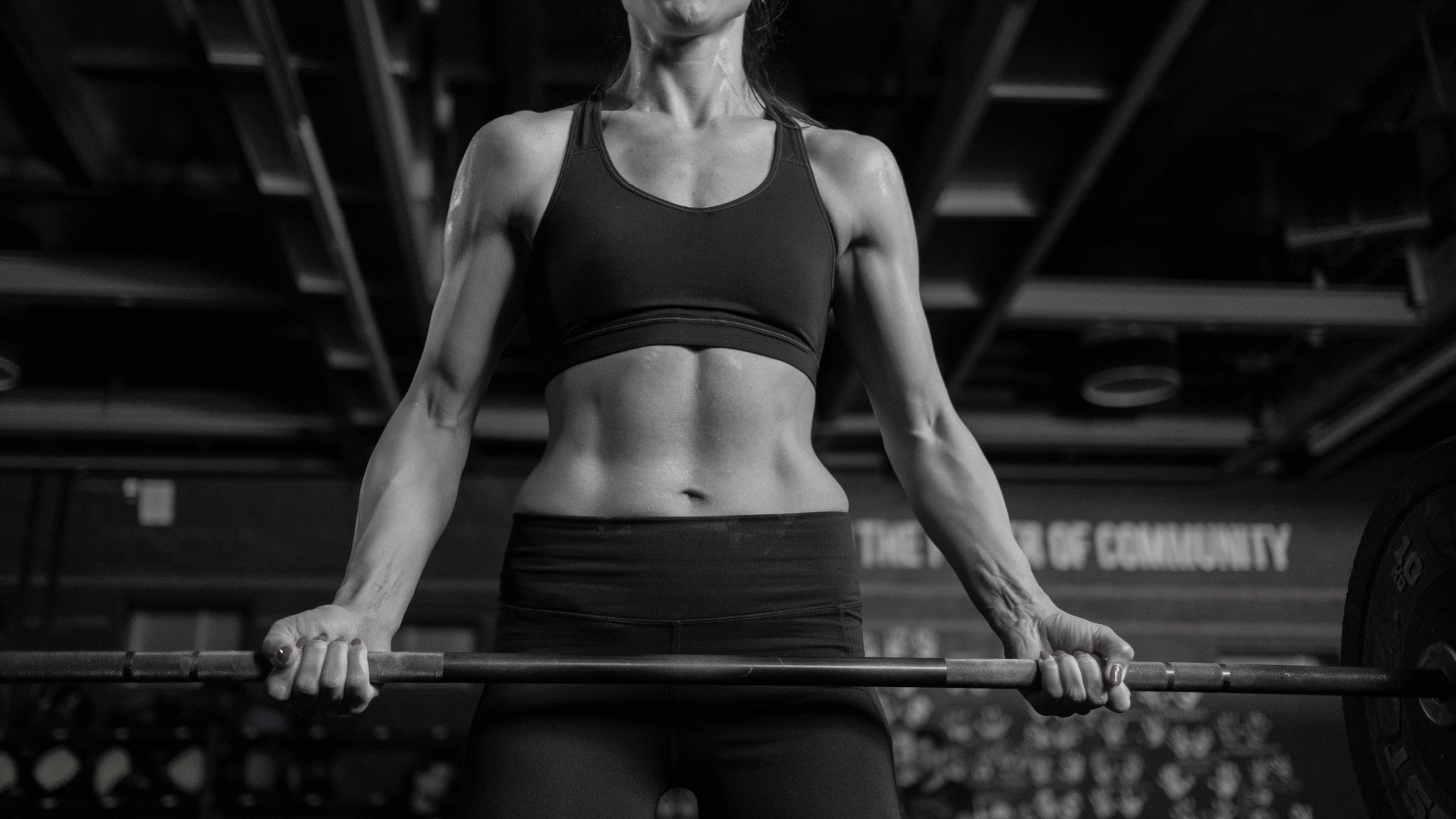
Strength training, vs hypertrophy builds raw power and durability—essential for combat sports athletes and anyone looking to improve performance and resilience. Strength training vs hypertrophy training—what’s the difference, and which one should combat sports athletes prioritize? If you’re a boxer, MMA fighter, or grappler, the way you build muscle and develop power directly affects your performance in the ring or on the mat. This isn’t just a combat sports concern—athletes from all backgrounds can benefit from knowing when to shift focus between strength and hypertrophy to optimize their training.
In this guide, we’ll break down both training styles, their unique benefits, and how to structure a program that maximizes strength, endurance, and resilience for combat sports. Plus, we’ll explore how general athletes and fitness enthusiasts can apply these principles to improve their training.
What Is Strength Training? Benefits & Who Needs It
Strength training isn’t just about lifting heavy—it’s about maximizing force output and developing the kind of power that translates directly into explosive movement, resilience, and athletic dominance. Whether you’re a combat sports athlete looking to improve your clinch game or a general fitness enthusiast aiming to build raw strength, understanding the mechanics of strength training is essential.
Strength training is focused on maximizing force output—how much weight you can lift in a single effort. This style of training develops raw strength, improves neuromuscular efficiency, and builds a solid foundation for power-based sports.
Strength Training Characteristics
Rep Ranges: 1–6 reps per set
Rest Periods: 2–5 minutes between sets
Intensity: Heavyweights (80–95% of 1RM)
Main Goals: Maximal strength, neuromuscular adaptation, power generation
Benefits of Strength Training for Combat Sports Athletes
Stronger Clinch & Grappling – Wrestlers, jiu-jitsu athletes, and MMA fighters benefit from a stronger grip and greater control in scrambles.
Explosive Punching Power – Heavy strength work improves force production, making strikes more devastating.
Resilience Against Opponents – A stronger frame can withstand more damage and remain durable in long fights.
Best Strength Training Exercises for Combat Athletes including the Core Four
Deadlifts – Builds posterior chain strength essential for takedowns.
Front Squats – Core engagement and lower-body drive for explosive movement.
Weighted Pull-Ups – Develops grip and upper-body endurance for clinch work.
Trap Bar Deadlifts – Safer on the lower back while maintaining full-body power.
What Is Hypertrophy Training? Benefits & Who Needs It
Hypertrophy training is muscle growth-focused—it increases muscle fiber size and endurance, which is crucial for repeated efforts in a fight. This type of training ensures combat sports athletes can sustain power over multiple rounds, maintaining striking force and grappling strength deep into competition.
Hypertrophy Training Characteristics
To build muscle efficiently, hypertrophy training follows specific principles designed to maximize muscle fiber recruitment and endurance. This training style focuses on creating metabolic stress and mechanical tension, essential for sustained power output in combat sports and general athletic performance. Understanding these key characteristics ensures athletes develop both size and functional strength, optimizing their ability to perform under fatigue.
Rep Ranges: 6–12 reps per set
Rest Periods: 30–90 seconds between sets
Intensity: Moderate weights (65–80% of 1RM)
Main Goals: Muscle size, endurance, and work capacity
Benefits of Hypertrophy Training for Combat Sports Athletes
Increased Muscle Endurance – More muscular endurance means sustaining power over multiple rounds.
Faster Recovery Between Strikes – Hypertrophy improves metabolic efficiency, reducing fatigue during explosive movements.
Enhanced Body Composition – Lean muscle mass without unnecessary bulk keeps athletes strong and agile.
When integrated correctly, hypertrophy training doesn’t just add size—it reinforces strength endurance, improves metabolic conditioning, and makes combat athletes more resilient under fatigue.
Best Hypertrophy Exercises for Combat Athletes
Split Squats – Builds single-leg power and stability for kicks and takedown defense.
Push Press – Reinforces upper-body endurance for repeated strikes.
Romanian Deadlifts – Develops hamstring endurance to maintain mobility late into a fight.
Medicine Ball Slams – Trains fast-twitch explosiveness needed for KO shots.

Relative muscle activation demands differ by discipline. Strength Training vs. Hypertrophy for Non-Combat Athletes

Strength Training vs Hypertrophy: Strength training reinforces deep muscle structures for power, while hypertrophy builds endurance and muscle volume for sustained performance. While combat sports athletes rely on strength and hypertrophy training to enhance their power, speed, and resilience in the ring or cage, these methods extend far beyond fighters. Strength training builds raw power and injury resilience, making it essential for athletes in sports like football, basketball, and even endurance events. Hypertrophy training, on the other hand, benefits bodybuilders, CrossFit enthusiasts, and general gym-goers who want to build muscle size and aesthetics.
For non-combat athletes, integrating both methods can elevate performance. Runners and endurance athletes can use strength training to improve force production, while those focused on general fitness can leverage hypertrophy to enhance muscle tone and body composition. The key is understanding which approach aligns with personal goals, ensuring that each workout contributes to a stronger, more functional physique.
How Non-Combat Athletes Can Use Strength Training & Hypertrophy
Endurance Athletes (Runners, Cyclists, Swimmers):
Benefit from strength training to improve force production and efficiency.
Can use hypertrophy training to build muscular endurance and reduce fatigue over long distances.
Team Sport Athletes (Football, Basketball, Soccer):
Require strength training for explosive power and injury prevention.
Hypertrophy training aids in muscle balance and endurance for sustained performance.
General Fitness Enthusiasts:
Strength training builds a foundation for functional movement and longevity.
Hypertrophy training enhances aesthetics and overall muscle health.
Older Adults & Injury Recovery:
Strength training prevents muscle loss and maintains joint integrity.
Hypertrophy training improves muscle mass and metabolic health.
By incorporating both training styles strategically, non-combat athletes can optimize performance, prevent injuries, and maintain long-term fitness.
Factor Strength Training Hypertrophy Training Goal Maximal strength & power Muscle size & endurance Reps 1–6 per set 6–12 per set Rest Time 2–5 min 30–90 sec Weight Load 80–100% 1RM 65–80% 1RM Training Effect Stronger lifts, better force production More muscle volume, improved fatigue resistance Best Training Split for Combat Sports Athletes
A hybrid training model is the most effective approach, combining strength training for raw power and hypertrophy for muscle endurance. This balanced method ensures combat sports athletes develop explosive force while maintaining the stamina needed to outlast opponents in long bouts. For general athletes, it creates a foundation of strength and resilience, optimizing performance across multiple disciplines.
Example Weekly Split
Day 1: Strength Focus (Lower Body)
Deadlifts: 4×5 (Heavy)
Bulgarian Split Squats: 3×8 (Moderate)
Box Jumps: 3×6 (Explosive)
Core Work: Hanging Leg Raises 3×12
Day 2: Hypertrophy Focus (Upper Body)
Push Press: 4×10
Weighted Chin-Ups: 4×8
Dumbbell Bench Press: 3×12
Triceps Dips: 3×10
Day 3: Combat-Specific Drills
Heavy Bag Work: 3-minute rounds x5
Sprint Intervals: 5 rounds (30s sprint, 1 min rest)
Plyometric Push-Ups: 3×12
Day 4: Strength Focus (Upper Body)
Trap Bar Deadlifts: 4×5
Barbell Rows: 3×8
Overhead Press: 4×6
Farmer’s Carries: 3x30s
Day 5: Hypertrophy Focus (Lower Body & Core)
Front Squats: 4×10
Romanian Deadlifts: 3×12
Hanging Knee Raises: 3×15
Medicine Ball Slams: 3×10
Weekly Training Split
Day Focus Exercises Day 1 Strength (Lower Body) Deadlifts, Bulgarian Split Squats, Box Jumps, Hanging Leg Raises Day 2 Hypertrophy (Upper Body) Push Press, Weighted Chin-Ups, Dumbbell Bench Press, Triceps Dips Day 3 Combat-Specific Drills Heavy Bag Work, Sprint Intervals, Plyometric Push-Ups Day 4 Strength (Upper Body) Trap Bar Deadlifts, Barbell Rows, Overhead Press, Farmer’s Carries Day 5 Hypertrophy (Lower Body & Core) Front Squats, Romanian Deadlifts, Hanging Knee Raises, Medicine Ball Slams How to Program Both for Maximum Gains

Strength Training vs Hypertrophy: Strength work builds dense, explosive muscle fibers, while hypertrophy increases size and endurance for combat sports and athletic performance. To achieve the perfect balance between strength and hypertrophy, a structured training approach is essential. Implementing periodization, alternating focus blocks, and adjusting volume and intensity can optimize gains without leading to burnout.
Key Programming Strategies
Periodization Matters: Alternate between strength and hypertrophy phases depending on competition schedules and fitness goals.
Prioritize Strength During Fight Camps: In the final 6–8 weeks before a fight, reduce hypertrophy work and focus on maintaining maximal strength.
Use Hypertrophy in Off-Season: Post-fight, shift towards hypertrophy training to rebuild muscle mass and enhance muscular endurance.
Balance Volume and Recovery: Heavy strength training requires longer recovery times, so plan rest strategically to avoid overtraining.
Integrate Hybrid Training Blocks: Incorporate both methods by programming strength-focused days alongside hypertrophy-driven sessions for a comprehensive approach.
Sample Training Split
Day Focus Primary Training Style Monday Lower Body Strength (Low Reps, High Load) Tuesday Upper Body Hypertrophy (Moderate Reps, Moderate Load) Wednesday Active Recovery Mobility & Conditioning Thursday Full-Body Power Strength & Explosive Training Friday Lower Body Hypertrophy (Moderate Reps, High Volume) Saturday Combat Sport-Specific Training Mixed Strength & Endurance Sunday Rest or Light Mobility Recovery Focus
Strength Training vs Hypertrophy: Strength training enhances neuromuscular efficiency for maximal force, while hypertrophy training increases muscle fiber size for sustained endurance and growth. Strength vs Hypertrophy
Training Style Main Goal Rep Range Rest Time Best For Strength Training Max force & power 1-6 reps 2-5 min Explosive strength, power athletes, combat sports Hypertrophy Training Muscle growth & endurance 6-12 reps 30-90 sec Sustained power, muscle endurance, physique goals Hybrid Approach Strength + Size Mix of both Varies Balanced performance, fighters, all-around athletes In Closing…
Strength, Hypertrophy & Becoming an Absolute Machine
For combat sports athletes, skipping either strength or hypertrophy training is leaving gains, power, and endurance on the table. Strength work gives you raw force—the ability to hit harder, push opponents around, and explode when it matters most. But that raw power doesn’t last without muscle endurance, and that’s where hypertrophy training keeps you in the fight. More muscle = better gas tank, more resilience, and sustained power deep into rounds. If you gas out before the final bell, what good is that one-punch knockout power? You need both.
The smartest fighters structure their training like a fight camp—hypertrophy-focused work in the off-season to build muscle, then a shift toward strength and power as competition approaches. This keeps you strong, fast, and conditioned without sacrificing endurance or mobility. Fighters who master this balance are the ones who stay explosive, durable, and dominant for years.
For non-combat athletes, the same principles apply. Whether you’re a sprinter, lifter, or just trying to look and move better, strength training builds pure power while hypertrophy supports endurance and muscle growth. Even casual gym-goers should train both—get stronger so you don’t break down, and build muscle so you look and perform better. No wasted effort, no fluff—just results.
The Takeaway? Strength and Hypertrophy Go Hand in Hand.
You don’t pick one or the other. You use both—strategically. Strength training builds a foundation of power; hypertrophy makes sure that power lasts and keeps you in the fight (or in the game). The best athletes train smart, balance their focus, and never stop evolving.
Train both. Train smart. Dominate.
FAQ Section
Strength training focuses on max force production—how much weight you can lift in a single effort (1-6 reps, heavy loads). Hypertrophy training builds muscle size and endurance (6-12 reps, moderate loads). Both matter for combat sports and overall athletic performance.
Both—just at the right times. Hypertrophy should dominate the off-season to build muscle and endurance. Strength training takes priority closer to fight camp to maximize explosive power.
Yes, but not optimally. Strength work requires longer rest & heavier loads, while hypertrophy needs more volume & shorter rest. The best approach is periodization—focus on one, then transition.
- Hypertrophy focus: 4-5 days/week, moderate weight, higher reps.
- Strength focus: 3-4 days/week, heavier weights, lower reps, longer rest.
- Hybrid: 3-5 days/week with strategic programming.
Absolutely. Strength training improves power, bone density, and injury resistance. Hypertrophy enhances endurance, aesthetics, and muscular balance. Even if you’re not fighting, both make you stronger, leaner, and more athletic.
Resources
coachjohanncscs.com only uses primary research and scholarly studies as references over secondary sites. Other references are primarily from reputable social media accounts of experts only in the fields of health, nutrition, sports science, physiology, psychology, and physical therapy.
Related Posts
Johann CSCS November 5, 2025Johann CSCS September 7, 2025Johann CSCS July 13, 2025Get Your Strength & Hypertrophy Results Instantly!
Use My Strength Calculator to Find Your Exact Training Numbers:
-

What Are Macros? The Ultimate Guide to Macronutrients in 2025
What Are Macros? The Ultimate Guide to Macronutrients
A balanced meal rich in protein, healthy fats, and carbs—ideal for post-workout recovery and performance optimization. What Are Macros?
Macros are the cornerstone of every effective diet and workout plan. They fuel your body, drive recovery, and help you hit fitness milestones like weight loss, muscle gain, or peak athletic performance. But what exactly are macros? Short for macronutrients, they’re the nutrients your body needs in large quantities to function—carbohydrates, proteins, and fats. Each plays a crucial role in fueling workouts, supporting recovery, and maintaining overall health.
In this comprehensive guide, we’ll break down what macros are, how they influence your diet, and why they’re vital for athletes and health enthusiasts. Whether you’re chasing fat loss, muscle growth, or a performance edge, understanding macros is the ultimate game-changer. Let’s explore how tracking and mastering macros can help you customize your nutrition, optimize training, and revolutionize your health journey.
What Are Macronutrients? A Complete Breakdown
Macros, short for macronutrients, are the nutrients your body needs in large amounts to function. The three primary macronutrients are carbohydrates, proteins, and fats. Each plays a unique role in fueling your body, optimizing performance, and supporting recovery.
Carbohydrates for Athletes: The Ultimate Fuel for Performance
Carbohydrates, often called carbs, are the main energy source for the body. They break down into glucose, which fuels everything from muscle contractions to brain function. For athletes, strength trainers, and fighters, consuming enough carbs ensures sustained energy, endurance, and peak performance.
- Calories per gram: 4 kcal
- Why They Matter: Essential for muscle glycogen stores, fast recovery, and high-intensity exercise.
- Best Sources: Whole grains, fruits, vegetables, oats, rice, starchy vegetables (sweet potatoes, yams), legumes.
- Carb Intake for Athletes:
- Endurance Athletes: 5-7g per kg of body weight
- Strength Athletes: 3-5g per kg of body weight
- Cutting Weight for Fighters: 2-4g per kg of body weight
Example Meal Plan for Carbohydrates
- Breakfast: Oatmeal with banana and honey (60g carbs)
- Pre-Workout Snack: Lebanese flatbread with hummus and olive oil (40g carbs)
- Post-Workout Meal: Spiced lentil stew with whole-grain flatbread and roasted eggplant (80g carbs)
Protein for Muscle Growth and Recovery: How to Optimize Your Intake
Protein is essential for muscle repair, growth, and overall recovery. Without adequate protein, athletes and fighters risk muscle loss, slower recovery, and decreased performance. It also plays a vital role in hormone production and immune function.
- Calories per gram: 4 kcal
- Why It’s Important: Prevents muscle breakdown, supports lean muscle mass, aids in recovery.
- Best Sources: Chicken breast, lean beef, fish, tofu, lentils, Greek yogurt, eggs, cottage cheese.
- Protein Intake for Athletes:
- Strength Athletes & Fighters:6-2.2g per kg of body weight
- Endurance Athletes:2-1.8g per kg of body weight
- Muscle Gain Phase:0-2.5g per kg of body weight
Example Meal Plan for Protein
- Breakfast: Scrambled eggs with whole-grain toast (30g protein)
- Lunch: Grilled salmon with quinoa and spinach (50g protein)
- Dinner: Chicken breast with roasted vegetables and lentils (60g protein)
Healthy Fats for Athletes: The Key to Hormonal Balance and Endurance
Fats are essential for hormone production, brain health, and long-lasting energy. Many athletes and fitness enthusiasts fear fats, but consuming the right kinds improves endurance, strength recovery, and inflammation reduction.
- Calories per gram: 9 kcal
- Why They Matter: Supports testosterone levels, boosts brain function, and enhances fat-soluble vitamin absorption.
- Best Sources: Avocados, nuts, seeds, olive oil, fatty fish (salmon, mackerel, sardines).
- Fat Intake for Athletes:
- General Health: 20-30% of daily calories
- Endurance & Strength Athletes:8-1.2g per kg of body weight
- Cutting Weight for Fighters:6-0.8g per kg of body weight
Example Meal Plan for Fats
- Breakfast: Greek yogurt with walnuts and flaxseeds (15g fat)
- Lunch: Avocado salad with grilled chicken (30g fat)
- Dinner: Grilled salmon with olive oil dressing and almonds (40g fat)
“Running and lifting really heavy don’t live together… they can’t.”

Healthy fats support hormone production, brain health, and long-lasting energy—essential for strength athletes and fighters. Who Should Look for a Macro Food Plan?
Athletes & Strength Trainers
- Need precise fueling to optimize performance and recovery.
- Prevents muscle loss during cutting phases.
- Ensures optimal glycogen replenishment for training.
Tracking macros isn’t just for bodybuilders or elite athletes—it’s a fundamental principle used by dietitians, nutritionists, and health coaches to help individuals reach their unique health goals. Understanding macronutrients is key whether you’re an athlete fine-tuning performance, someone managing weight, or an everyday person looking to improve overall well-being.
Individuals with Specific Goals (Weight Loss/Muscle Gain)
- Helps dial in nutrition for fat loss or muscle-building.
- Prevents plateaus by adjusting macro intake as progress is made.
- Supports sustainable eating habits for long-term success.
However, not everyone tracks macros. Some prefer a flexible eating approach based on mindful portioning rather than precise calculations. Others rely on intuitive eating or structured meal plans provided by nutritionists and dietitians, prioritizing whole foods over number crunching.
People with Metabolic Conditions
- Those managing diabetes, PCOS, or metabolic disorders can use macro tracking to balance blood sugar and energy levels.
- Helps avoid energy crashes and promotes consistent nutrient intake.
Despite these alternative methods, tracking macros is a valuable tool because it:
Anyone Who Wants Full Control Over Their Nutrition
- Provides insight into eating habits and improves accountability.
- Allows for a flexible diet without extreme restrictions
- Improves Performance: Proper macro balance fuels endurance, strength, and recovery.
- Helps with Weight Management: Adjusting macros can support fat loss, muscle gain, or maintenance.
- Supports Hormonal and Metabolic Health: Fats and proteins play a crucial role in overall well-being.
- Offers Personalized Nutrition: Macro tracking allows for precise adjustments based on activity levels and goals.
Who Shouldn’t Follow a Strict Macro Food Plan?
For those new to tracking macros, understanding macro ratios is key. The ratio of carbohydrates, proteins, and fats in your daily intake determines how well your body fuels workouts, recovers, and maintains muscle mass. Most nutritionists recommend starting with a balanced macro ratio, such as 40% carbohydrates, 30% protein, and 30% fats, but this can be adjusted based on specific fitness goals.
People Who Struggle with Food Obsession
- Macro tracking can trigger unhealthy food relationships for those with a history of eating disorders.
- Better to focus on intuitive eating or structured meal planning.
Working with a registered dietitian or nutritionist can help fine-tune macro ratios for fat loss, muscle gain, or endurance training. Some people may choose not to track macros due to the time commitment, relying instead on intuitive eating or portion control. However, tracking macros provides precision and control, making it easier to adjust food intake for consistent progress and peak performance. The key is to find a system that works best for your fitness journey while maintaining a well-balanced diet.*
Those Looking for Simplicity in Their Diet
- If tracking feels overwhelming, portion control and balanced meals may be a better approach.
- Some people thrive with structured meal plans instead of counting macros.
Casual Gym-Goers Without Performance Goals
- If you’re just staying active without specific targets, listening to hunger cues may be more sustainable.
- Macro tracking can be overcomplicated for those without structured fitness goals.
People with Limited Time or Resources
- Tracking requires consistency, which can be a challenge for those with busy schedules or limited access to diverse food options.
- A focus on meal prepping and general portion awareness might be more effective.

Strength training and movement-based exercises complement proper macronutrient intake, ensuring peak performance and recovery. How to Track Macros for Weight Loss, Muscle Gain, and Performance
Tracking macros is one of the most effective ways to take control of your diet and fitness goals. Whether you’re aiming for fat loss, muscle gain, or overall performance, macro tracking helps you make informed food choices
While many assume tracking macros is just for bodybuilders, it’s a tool used by dietitians and nutritionists to optimize nutrition for athletes, everyday fitness enthusiasts, and even those with medical dietary needs. Some individuals, however, prefer to eat intuitively or follow structured meal plans. While those methods can work, macro tracking provides precision and flexibility, making it ideal for achieving long-term, sustainable progress.
Before diving into tracking, it’s crucial to understand that different diets utilize macros differently. Here are five common approaches, their macro ratios, and how they impact performance:
1. Balanced Diet (40% Carbs / 30% Protein / 30% Fats)
This is the most flexible and sustainable macro breakdown, commonly recommended for athletes, active individuals, and general health goals. It ensures a steady supply of energy, muscle recovery, and hormone balance.
- Best For: Overall health, muscle maintenance, and endurance training.
- Potential Drawbacks: Requires portion control and balanced meal planning.
2. High-Protein Diet (50% Protein / 30% Carbs / 20% Fats)
A high-protein approach prioritizes muscle retention and fat loss, making it popular among fighters, weightlifters, and those cutting weight. The high protein intake prevents muscle breakdown while keeping metabolism high.
- Best For: Fat loss, preserving lean muscle mass, and recovery.
- Potential Drawbacks: Can be difficult to sustain long-term and may lack sufficient carbs for endurance sports.
3. Low-Carb / Keto Diet (5% Carbs / 25% Protein / 70% Fats)
A ketogenic diet shifts the body into ketosis, where it burns fat for energy instead of carbs. While it can be effective for weight loss, it’s not ideal for high-intensity sports like boxing or sprinting.
- Best For: Individuals looking for rapid fat loss or those with medical needs (e.g., epilepsy).
- Potential Drawbacks: Reduces glycogen stores, which can hinder athletic performance.
4. High-Carb Diet (60% Carbs / 20% Protein / 20% Fats)
This diet is common among endurance athletes, as high-carb intake replenishes glycogen and enhances stamina. Runners, cyclists, and triathletes benefit from this approach.
- Best For: Endurance sports, marathon training, and high-output athletes.
- Potential Drawbacks: May lead to fat gain if carb intake isn’t managed.
5. Paleo Diet (30% Carbs / 35% Protein / 35% Fats)
The paleo approach focuses on whole, unprocessed foods, emphasizing meats, vegetables, fruits, and nuts. It’s a moderate-carb, high-protein diet that aligns well with general fitness goals.
- While some swear by this approach, it’s important to remember that diets don’t work long-term—sustainable eating habits do. The Paleo diet may help people focus on whole foods, but eliminating grains and dairy can make it restrictive. It lacks flexibility, which is key for athletes, active individuals, and anyone looking for lasting results. Rather than adhering to a rigid diet, consider tracking macros to maintain balance and performance without unnecessary restrictions.
- Potential Drawbacks: Can be restrictive due to the elimination of grains and dairy.
Now that you know different macro approaches, let’s break down the exact steps to track your macros effectively:
1. Calculate Your Daily Calorie Needs
Use my Macro Calculator to determine your exact Total Daily Energy Expenditure (TDEE) and get a personalized breakdown of your daily macro needs based on your fitness goals.
2. Set Your Macro Goals Based on Your Fitness Plan
- Fat Loss: 40% protein, 30% carbs, 30% fats
- Muscle Gain: 30% protein, 50% carbs, 20% fats
- Maintenance: 30% protein, 40% carbs, 30% fats
3. Use Macro Tracking Apps
Instead of relying on third-party apps, use our Tracking Tool on the site to log your daily intake and adjust your macros based on real-time data. It’s designed to help you stay on track without the hassle of external apps.
4. Adjust Macros Weekly
If you’re not seeing results, tweak your macros by adjusting carb and fat intake while maintaining protein levels.
Macro Tracking Mistakes to Avoid
- Guessing Portions: Always weigh and measure food.
- Neglecting Hydration: Water intake affects digestion and recovery.
- Skipping Adjustments: Your macro needs shift as your weight changes.
- Eating Too Many Processed Foods: Whole, nutrient-dense foods optimize results.
Understanding macronutrients is key to fueling workouts, optimizing performance, and improving overall health. Macronutrient Breakdown & Optimal Intake Table
Macronutrient
Calories per Gram
Primary Function
Recommended Intake
Best Sources
Carbohydrates
4 kcal
Provides quick energy, replenishes glycogen
3-7g per kg of body weight (varies by activity level)
Whole grains, fruits, vegetables, legumes, starchy tubers
Proteins
4 kcal
Muscle repair, growth, and recovery
1.2-2.5g per kg of body weight (higher for strength athletes)
Lean meats, fish, tofu, eggs, lentils, dairy, plant-based protein sources
Fats
9 kcal
Hormonal balance, long-term energy
20-35% of total daily calories
Nuts, seeds, avocados, olive oil, fatty fish, coconut-based foods
In Closing…
My journey has been one of trial, error, and adaptation. From sparring sessions that pushed me to my limit to the countless hours in the gym, I’ve learned that training smarter is the only way to achieve sustainable progress.
“I use myself as a case study—how am I gonna train high-level athletes if I don’t push my own limits?”
Whether you’re training for combat sports, general fitness, or just to get stronger, the lessons I’ve shared here can help you optimize your routine. Start small, focus on your goals, and remember—it’s not about how hard you train, but how smart you train.
Consistency and intentional effort are the keys to long-term success. By applying the principles outlined in this post, you’ll not only see improvements in your physical performance but also build mental resilience that carries over to all areas of life.
For more insights and tailored training programs, check out CoachJohannCSCS.com—your resource for smarter, stronger training.
FAQ Section
Macros, short for macronutrients, are the three main nutrients your body needs in large amounts—carbohydrates, proteins, and fats. They play a key role in energy production, muscle recovery, and metabolic function.
While macro ratios depend on individual needs, a common fat loss breakdown is 30% protein, 55% carbs, 15% fats. This balance ensures muscle retention while cutting fat.
Use our Macro Calculator to find your personalized macronutrient needs based on your goals, weight, activity level, and fitness targets.
Yes, but tracking macros provides more accuracy. If you prefer a non-tracking approach, focus on portion control, whole foods, and protein intake to support weight loss.
A muscle-building macro split often looks like 30% protein, 50% carbs, 20% fats. Higher carbs help fuel workouts and replenish glycogen for muscle recovery and growth.
Yes, tracking macros helps fighters and endurance athletes maintain optimal weight, maximize performance, and recover faster. Fighters cutting weight should adjust macros accordingly to maintain strength while reducing body fat.
You should reassess your macros every few weeks based on progress, body composition changes, and performance levels. If you’re plateauing, tweak carbs and fats while keeping protein consistent.
For many people, macro tracking is a great educational tool, but it doesn’t have to be permanent. Once you understand portions and food composition, you can transition into intuitive eating while keeping your nutrition on point.
It’s okay to be a little off! As long as you’re close to your targets and hitting your protein goals, your results won’t be drastically affected.
Use our Macro Tracking Tool on the site to log your intake and make real-time adjustments. It’s a better alternative to third-party apps and keeps everything in one place for easy tracking.
Resources
coachjohanncscs.com only uses primary research and scholarly studies as references over secondary sites. Other references are primarily from reputable social media accounts of experts only in the fields of health, nutrition, sports science, physiology, psychology, and physical therapy.
Thomas, D. T., Erdman, K. A., & Burke, L. M. (2016). Nutrition and athletic performance: Position of the Academy of Nutrition and Dietetics, Dietitians of Canada, and the American College of Sports Medicine. Medicine & Science in Sports & Exercise, 48(3), 543-568.
Retrieved from: https://journals.lww.com/acsm-msse/Fulltext/2016/03000/Nutrition_and_Athletic_Performance.20.aspxSlater, G., & Phillips, S. M. (2011). Nutrition guidelines for strength sports: Sprinting, weightlifting, throwing events, and bodybuilding. Journal of Sports Sciences, 29(S1), S67-S77.
Retrieved from: https://www.tandfonline.com/doi/abs/10.1080/02640414.2011.574722Burke, L. M., Hawley, J. A., Wong, S. H., & Jeukendrup, A. E. (2011). Carbohydrates for training and competition. Journal of Sports Sciences, 29(S1), S17-S27.
Retrieved from: https://www.tandfonline.com/doi/full/10.1080/02640414.2011.585473Jäger, R., Kerksick, C. M., Campbell, B. I., Cribb, P. J., Wells, S. D., Skwiat, T. M., … & Antonio, J. (2017). International Society of Sports Nutrition position stand: Protein and exercise. Journal of the International Society of Sports Nutrition, 14(1), 20.
Retrieved from: https://jissn.biomedcentral.com/articles/10.1186/s12970-017-0177-8Phillips, S. M., & van Loon, L. J. C. (2011). Dietary protein for athletes: From requirements to optimum adaptation. Journal of Sports Sciences, 29(S1), S29-S38.
Retrieved from: https://www.tandfonline.com/doi/abs/10.1080/02640414.2011.619204Aragon, A. A., Schoenfeld, B. J., Wildman, R., Kleiner, S., VanDusseldorp, T., Taylor, L., … & Antonio, J. (2017). International Society of Sports Nutrition position stand: Diets and body composition. Journal of the International Society of Sports Nutrition, 14(1), 16.
Retrieved from: https://jissn.biomedcentral.com/articles/10.1186/s12970-017-0174-y
-

Half Marathon Training Plan Strength & Endurance Strategy for Combat Athletes in 2025
The ultimate reward for your dedication: crossing the finish line with pride! A half marathon training plan isn’t just about running—it’s about building endurance without sacrificing strength. If you’re a combat athlete, powerlifter, or strength-focused individual, adding a structured half marathon plan to your routine helps develop next-level conditioning, mental toughness, and hybrid athleticism that enhances both fight performance and power output.
Most running programs aren’t designed for those who prioritize strength training. This step-by-step hybrid half marathon training plan teaches you how to train effectively while preserving muscle mass, the ideal mix of endurance and resistance work, and the best strategies for fueling, recovery, and race execution. Whether you’re a fighter, lifter, or hybrid athlete, this plan will ensure you dominate both on the pavement and in the gym.
By following this 12-week half marathon plan, you’ll build aerobic endurance, maintain power, and stay race-ready without losing strength or muscle. Let’s break down exactly how to do it.
This step-by-step half marathon training plan teaches you how to train effectively while preserving muscle mass, the ideal mix of endurance and resistance work, and the best strategies for fueling, recovery, and race execution. Whether you’re a fighter, lifter, or hybrid athlete, this program is designed to optimize your strength and running performance.
The Complete Half Marathon Training & Pace Guide
- Half Marathon Distance, Pace & Average Time
- Half Marathon Pace Calculator
- Traditional Half Marathon Training vs. Strength-Based Hybrid Training
- The Science of Half Marathon Training – Explains lactate threshold
- The Strength Training Plan for a Half Marathon
- Mindset & Motivation: Why Strength Athletes Should Run a Half Marathon
- Half Marathon Race Strategy for Strength Athletes
Half Marathon Distance, Pace & Average Time
A half marathon is 13.1 miles (21.1 km). Whether you’re training for your first race or looking to improve your time, knowing half marathon distance, pace strategies, and finish time expectations is crucial for success. Below is a breakdown of the key insights runners need to prepare effectively.
Half Marathon Finish Times by Experience Level
Experience Level Expected Finish Time Average Pace per Mile Beginner (Run/Walk Strategy) 2:15 – 2:45 hrs 10:15 – 12:35 min/mi Intermediate (Consistent Pacing) 1:45 – 2:15 hrs 8:00 – 10:00 min/mi Advanced (Competitive Runner) Sub-1:45 hrs 7:59 min/mi or faster Key Distance & Pacing Insights
How long is a half marathon in miles? → 13.1 miles
How many kilometers in a half marathon? → 21.1 km
How long does it take to complete a half marathon? → 1:30 – 3:00 hours, depending on experience
What’s the average pace for a half marathon? → 9-11 minutes per mile for most runners
How many steps in a half marathon? → Approx. 20,000 – 25,000 steps, depending on stride length
Half Marathon Pace Calculator: Find Your Race Goal
Using a half marathon pace calculator can help determine your ideal pace per mile or km, ensuring you train effectively and achieve your target race time. To maximize race-day performance, adjust your training runs according to your predicted pace.
By understanding your baseline pace and goal finish time, you can tailor your half marathon training plan for optimal endurance, speed, and race execution.
A half marathon covers 13.1 miles (21.1 km). Understanding pacing and expected finish times helps you set a realistic goal based on your experience level.
Half Marathon Pace Calculator Half Marathon Pace Calculator
Enter your target finish time to calculate your pace per mile/km.
VO2 Max Calculator
Enter your race time and distance to estimate your VO2 Max.
Half Marathon Training Plan: 12 Weeks for Strength & Endurance
Successfully training for a half marathon requires more than just logging miles—it’s about following a structured, progressive plan that builds endurance, speed, and strength while preventing injuries. This 12-week training plan is designed specifically for combat athletes, strength-focused individuals, and runners who want to maximize performance without sacrificing power.
By breaking the training into three key phases, this plan ensures that you gradually increase mileage, improve your pace, and stay race-ready while integrating strength workouts. Below, you’ll find a week-by-week breakdown to help you prepare effectively for race day success.
Best Training Strategies for Endurance, Speed & Strength
This half marathon training plan is built on a foundation of progressive endurance work, structured speed development, and strategic strength maintenance. Unlike traditional running programs, this approach ensures you maintain muscle, develop running efficiency, and prepare for race day with a complete training framework.

Strength training builds the foundation for power and endurance in half marathon training. The Three Pillars of Half Marathon Training
Endurance Progression – Build your ability to sustain effort over 13.1 miles while preventing fatigue.
Speed & Race-Specific Work – Improve pace control, running economy, and aerobic efficiency.
Strength & Injury Prevention – Maintain power, protect joints, and prevent muscle loss.
By integrating these components, you will maintain power while improving race performance and reducing injury risk. The following section provides a 12-week structured training plan, broken into progressive phases to ensure optimal adaptation.
Weeks 1-4: Aerobic Foundation & Strength Adaptation
Running: 3x per week (Easy Runs + Long Run)
Strength: 2-3x per week (Heavy Lifts + Explosive Movements)
Weeks 5-8: Power & Speed Development
Running: 3x per week (Interval Work + Race Pace Runs)
Strength: 2x per week (Plyometrics, Functional Strength)
Weeks 9-12: Race Preparation & Strength Maintenance
Running: 3x per week (Tapering, Race Pace Repeats)
Strength: 1-2x per week (Low-Volume, High-Intensity Maintenance)
The Strength Training Plan for a Half Marathon
To preserve muscle and boost endurance, this half marathon training plan incorporates the Core 4 Hybrid Strength System:
Power Phase (30-sec explosive bodyweight movement)
Box Jumps, Plyo Push-Ups, Sprint Starts
Strength Phase (Bulletproof muscle group focus)
4-6 reps of compound lifts (Squats, Deadlifts, Overhead Press)
Hybrid Strength-Endurance Phase (Dumbbell/Kettlebell Work)
15 reps, submax loads, drop sets
Endurance Power Phase (Low Recovery, High Rep Squats)
Squats @ 50-60% 1RM, 12-25 reps, 6 rounds, low rest
Traditional Half Marathon Training vs. Strength-Based Hybrid Training
Traditional Half Marathon Training: How Most Runners Prepare
Traditional half marathon training plans typically follow a gradual mileage progression, emphasizing endurance and race-day preparedness. These plans are designed for runners who prioritize aerobic capacity over strength and focus primarily on consistent long runs, tempo efforts, and recovery runs to build stamina.
Core Components of Traditional Half Marathon Training

Cross the finish line with strength and confidence—our hybrid half marathon training plan helps you achieve peak performance. Weekly Long Runs – Traditional plans emphasize progressive long runs each week, gradually increasing distance to 10-12 miles before tapering. These long runs are typically done at a comfortable pace to build endurance.
Steady-State & Tempo Runs – Mid-week workouts include tempo runs, which are faster-paced efforts meant to improve lactate threshold and sustained speed. These are typically run at 80-90% of maximum effort.
Interval & Speed Work – Short bursts of high-intensity running, such as 400m or 800m repeats, help improve foot turnover and race pace. Traditional runners incorporate track workouts to build aerobic efficiency.
Easy Runs & Recovery Days – Runners in traditional plans maintain low-intensity recovery runs on non-key workout days to reduce fatigue while keeping mileage high. These runs typically range from 3-6 miles at a conversational pace.
Tapering Before Race Day – The last 2-3 weeks focus on reducing mileage while maintaining intensity, ensuring runners are well-rested but still primed for race day performance.
Limitations of Traditional Training for Strength Athletes
While effective for endurance, traditional half marathon training does not prioritize strength or power retention. For combat athletes, powerlifters, or hybrid athletes, excessive mileage and high-volume aerobic work can lead to:
Muscle Loss & Strength Reduction – Traditional plans do not account for strength training maintenance, leading to reduced power output.
Overuse Injuries – High-mileage training without resistance work can lead to shin splints, knee pain, and hip imbalances.
Lack of Explosive Power – While endurance improves, the ability to generate quick bursts of speed or force declines due to insufficient anaerobic training.
Bridging the Gap: Hybrid Half Marathon Training for Strength & Endurance
While traditional plans work well for dedicated distance runners, hybrid training approaches allow athletes to retain strength, improve endurance, and enhance race-day performance. The next section details how to integrate strength, power, and conditioning into a half marathon plan that prioritizes both endurance and strength goals.
This half marathon training plan is built on a foundation of progressive endurance work, structured speed development, and strategic strength maintenance. Unlike traditional running programs, this approach ensures you maintain muscle, develop running efficiency, and prepare for race day with a complete training framework.
The Three Pillars of Half Marathon Training
Endurance Progression – Build your ability to sustain effort over 13.1 miles while preventing fatigue.
Speed & Race-Specific Work – Improve pace control, running economy, and aerobic efficiency.
Strength & Injury Prevention – Maintain power, protect joints, and prevent muscle loss.
By integrating these components, you will maintain power while improving race performance and reducing injury risk. The following section provides a 12-week structured training plan, broken into progressive phases to ensure optimal adaptation.
Weeks 1-4: Aerobic Foundation & Strength Adaptation
Running: 3x per week (Easy Runs + Long Run)
Strength: 2-3x per week (Heavy Lifts + Explosive Movements)
Weeks 5-8: Power & Speed Development
Running: 3x per week (Interval Work + Race Pace Runs)
Strength: 2x per week (Olympic Lifts, Plyometrics, Functional Strength)
Weeks 9-12: Race Preparation & Strength Maintenance
Running: 3x per week (Tapering, Race Pace Repeats)
Strength: 1-2x per week (Low-Volume, High-Intensity Maintenance)
The Science of Half Marathon Training: Lactate Threshold & Performance Adaptations
Understanding the Role of Lactate Threshold in Half Marathon Performance
Half marathon training isn’t just about increasing mileage—it’s about optimizing your body’s ability to sustain effort. One of the most critical factors influencing endurance performance is lactate threshold (LT)—the point at which lactic acid begins accumulating in the blood faster than it can be cleared.
Why Lactate Threshold Matters
Higher lactate threshold = Better endurance performance
Allows you to maintain faster paces without fatigue
Enhances muscular efficiency and energy utilization
Essential for strength-based athletes adapting to endurance training
Lactate Threshold Training Methods for Half Marathon Runners
Training Method Purpose Example Workout Tempo Runs Improves ability to sustain race pace 4-5 miles at 80-90% max effort Threshold Intervals Boosts LT by gradually increasing stress 4 x 1-mile at 85-90% max effort w/ 1 min rest Progression Runs Teaches pacing and energy conservation Start slow, increase pace every mile Hill Sprints Increases muscle efficiency and lactate clearance 6-8 sprints of 30s uphill efforts By training at or just above lactate threshold, runners can increase stamina, maintain speed longer, and delay fatigue—a key strategy for both traditional endurance runners and strength athletes transitioning into half marathon preparation.
Half Marathon Nutrition Plan: Fueling Strength Athletes for Endurance & Performance
Why Nutrition Matters for Strength Athletes Running a Half Marathon
Fueling properly for a half marathon training plan is just as important as the mileage and workouts themselves. For combat athletes and strength-focused individuals, energy demands are different from those of traditional endurance runners. More muscle mass requires higher glycogen stores, precise hydration, and strategic nutrient timing to sustain performance without sacrificing strength or power.
Understanding the nutritional needs for hybrid training ensures that your body gets the right balance of carbohydrates, protein, fats, and electrolytes to support recovery, prevent muscle loss, and optimize endurance capacity.
Carb-Loading & Pre-Race Nutrition: The Essential Strategy
Carb-loading is a key strategy used by runners to maximize glycogen storage before race day. However, strength athletes need to adjust this approach to avoid excessive fatigue, bloating, or unnecessary weight gain.
1 Week Out: Increase complex carbs (sweet potatoes, rice, quinoa, oats) to top off glycogen stores gradually.
3-4 Days Out: Begin tapering strength workouts while maintaining daily carb intake.
2 Days Out: Reduce training volume and increase carbohydrate intake by 20-30%, ensuring muscle glycogen is fully stocked.
Race Day Morning: Consume easily digestible carbs (banana, toast, honey, oatmeal), ensuring fuel is available for immediate energy use without digestive discomfort.
During the Race: Supplement with mid-race fueling (gels, chews, electrolyte drinks) at mile 5, 9, and 11 to sustain performance.
Hydration & Electrolyte Strategy for Strength-Based Runners
Proper hydration is critical for preventing muscle cramps, fatigue, and performance drops—especially for athletes balancing high-intensity strength training with endurance running.
Daily Hydration Needs: Aim for 3-4L of water per day to maintain fluid balance.
Pre-Run Hydration: Drink 16-20 oz of water 1-2 hours before a run.
During Runs: Consume 500-700mg of sodium per hour via electrolyte drinks to replace lost minerals.
Post-Run Recovery: Restore hydration levels with electrolyte-rich fluids and protein to support muscle repair and glycogen replenishment.
Protein & Recovery Nutrition: Preventing Muscle Loss While Running
While traditional runners may not prioritize protein intake, strength athletes require consistent protein consumption to maintain muscle mass and aid recovery.
Daily Protein Target: 0.8-1.2g per pound of body weight to prevent muscle breakdown.
Post-Run Recovery Meal: Combine 30-40g protein with fast-digesting carbs (white rice, fruit, honey, potatoes) to accelerate muscle repair and glycogen replenishment.
Best Recovery Foods: Lean meats, eggs, Greek yogurt, protein shakes, and fast-digesting carbs.
How to Adjust Nutrition Based on Training Phase
Your nutritional strategy should align with your training intensity and mileage progression throughout the 12-week half marathon training plan:
Training Phase Carb Intake Focus Protein Needs Hydration Priority Weeks 1-4 (Base Building) Moderate carbs for adaptation 1.0g per lb BW Standard hydration (3L/day) Weeks 5-8 (Speed & Strength Phase) Higher carb intake for energy 1.2g per lb BW Increased electrolytes Weeks 9-12 (Race Taper & Peak Performance) Carb-loading pre-race Maintain protein for muscle retention Dialed-in hydration before race Mindset & Motivation: Why Strength Athletes Should Run a Half Marathon
The Psychological & Physical Benefits of Half Marathon Training
For combat athletes and strength trainers, running a half marathon isn’t just about endurance—it’s about mental toughness, discipline, and resilience. Pushing past physical limits in endurance training translates directly into performance benefits in combat sports, weightlifting, and overall fitness.
Why Strength Athletes Benefit from Half Marathon Training
Increases Mental Grit – Teaches pain tolerance, perseverance, and focus.
Boosts Work Capacity – Improves overall cardiovascular endurance, leading to faster recovery between strength sets.
Expands Athletic Versatility – Trains the body to be efficient across multiple energy systems.
Challenges Comfort Zones – Running long distances forces strength athletes to embrace new movement patterns and challenges.
Who Should Train for a Half Marathon?
✅ Combat athletes looking to expand their endurance without losing explosiveness.
✅ Strength athletes who want to increase aerobic capacity for better overall performance.
✅ Hybrid athletes aiming for an elite balance of power and endurance.
✅ Anyone seeking a mental and physical challenge beyond the weight room.Who Should Reconsider Half Marathon Training?
🚫 Athletes in a strength-building phase who cannot afford significant endurance adaptations.
🚫 Powerlifters prioritizing maximal strength gains with no need for endurance.
🚫 Individuals recovering from injuries that limit long-duration movement.A half marathon is more than just a race—it’s a test of mental toughness, athletic ability, and high-performance conditioning. The next section will detail how to execute the perfect race strategy for strength athletes balancing endurance and power.
Half Marathon Race Strategy for Strength Athletes
Pacing for Strength-Based Runners
Start Controlled: First 3 miles should be conversational pace.
Mid-Race Push: Miles 4-9 should settle into a steady, strong pace.
Final Kick: Last 4 miles = negative split attack mode.
Mindset & Tactical Race Execution
Break the Race Into Sections – 3×4-mile segments make it mentally easier.
Use Mantras & Visualization – “Strong strides,” “Every step is power.”
Energy Management – Take gels/electrolytes strategically at mile 5, 9, 11.
Avoid These Half Marathon Training Mistakes
🚫 Overtraining & Muscle Loss – Follow strength-focused endurance training.
🚫 Ignoring Nutrition – Fuel like an athlete, not just a runner.
🚫 Skipping Recovery – Sleep, mobility, and active recovery are essential.
🚫 Going Out Too Fast – Stick to a negative split strategy.
The finish line isn’t just a goal—it’s a milestone in your journey to mastering endurance and strength. In Closing…
The Ultimate Half Marathon Plan for Strength Athletes
Running a half marathon as a strength athlete isn’t just about crossing the finish line—it’s about defying limits, embracing discomfort, and pushing beyond what you thought was possible. By following this structured hybrid training plan, you can develop the endurance of a runner without sacrificing the power of a lifter.
Training for and completing a 13.1-mile race is an achievement that challenges both your physical resilience and mental toughness. Along the way, you’ll discover a new level of discipline, refine your ability to handle pain and fatigue, and enhance your overall athleticism in ways that translate to all aspects of performance.
For fighters, lifters, and hybrid athletes, this training is more than just running—it’s about expanding your capacity for intensity, work rate, and performance. The ability to maintain composure under fatigue, push when your body screams to stop, and sustain effort past the breaking point is what separates the elite from the average.
If you’ve ever thought, “I’m not a runner”, let this be the moment where you redefine what’s possible. Whether you’re training to fight, lift, or simply test your own limits, the half marathon is the proving ground for those who are willing to embrace the challenge.
FAQ Section
Most strength athletes can train for a half marathon in 8-12 weeks, depending on their starting endurance level. If you’re new to running, allow 12+ weeks for a safe progression.
Yes, but it requires strategic programming. Stick to 2-3 strength sessions per week with lower volume but higher intensity, focusing on compound lifts.
Not necessarily. Focus on fueling properly and maintaining muscle mass instead of cutting weight. A minor 1-2% body weight reduction for endurance gains is fine, but drastic cuts will hurt performance.
Early phase (Weeks 1-6): 3x per week, focusing on full-body strength and endurance lifts.
Mid-phase (Weeks 7-10): 2-3x per week, reducing volume but keeping intensity high.
Final phase (Weeks 11-12): 1-2x per week, shifting towards maintenance and race readiness.
Beginner lifter-runner: 2:30 – 3:00 hrs
Intermediate hybrid athlete: 1:50 – 2:30 hrs
Advanced strength-endurance athlete: 1:45 or faster
Maintain strength work (compound lifts, heavy loads, 2x per week).
Increase protein intake to 1.2-1.5g per pound of body weight.
Use strategic recovery meals after long runs to prevent catabolism.
Yes, but it’s harder. Strength-based athletes should focus on interval work, tempo runs, and progression running to build endurance without excessive mileage.
2-3x per week early on, tapering to 1-2x near race day.
Resources
coachjohanncscs.com only uses primary research and scholarly studies as references over secondary sites. Other references are primarily from reputable social media accounts of experts only in the fields of health, nutrition, sports science, physiology, psychology, and physical therapy.
Mijaica, R., et al. (2024). Evaluating the effectiveness of the annual physical training plan for Masters+ 45 women half marathon athletes. Sports, 12(9), 256.
🔗 URL: https://www.mdpi.com/2075-4663/12/9/256Nikolaidis, P., et al. (2023). Participation and performance characteristics in half-marathon run: A brief narrative review. Journal of Muscle Research and Cell Motility.
🔗 URL: https://link.springer.com/content/pdf/10.1007/s10974-022-09633-1.pdfLlanos-Lagos, C., et al. (2024). The effect of strength training methods on middle-distance and long-distance runners’ athletic performance: A systematic review with meta-analysis. Sports Medicine.
🔗 URL: https://link.springer.com/content/pdf/10.1007/s40279-024-02018-z.pdfManfredi, M., et al. (2018). Can half-marathon affect overall health? The yin-yang of sport. Journal of Proteomics.
🔗 URL: https://www.academia.edu/download/85933081/j.jprot.2017.09.00420220514-1-9qkmwg.pdfEsteve-Lanao, J., et al. (2021). Predicting recreational runners’ marathon performance time during their training preparation. Journal of Strength and Conditioning Research.
🔗 URL: https://www.researchgate.net/profile/Daniel-Boullosa/publication/332913085_Predicting_Recreational_Runners’_Marathon_Performance_Time_During_Their_Training_Preparation/links/5d225943299bf1547ca1acb9/Predicting-Recreational-Runners-Marathon-Performance-Time-During-Their-Training-Preparation.pdfGattoni, C., et al. (2021). The effect of mental fatigue on half-marathon performance: A pragmatic trial. Sport Sciences for Health.
🔗 URL: https://link.springer.com/article/10.1007/s11332-021-00792-1Nikolaidis, P., et al. (2019). Muscle strength and flexibility in male marathon runners: The role of age, running speed, and anthropometry. Frontiers in Physiology, 10, 1301.
🔗 URL: https://www.frontiersin.org/articles/10.3389/fphys.2019.01301/fullFu, S., et al. (2021). Effect of daily oral Lactobacillus plantarum PS128 on exercise capacity recovery after a half-marathon. Nutrients, 13(11), 4023.
🔗 URL: https://www.mdpi.com/2072-6643/13/11/4023Cogliati, M., et al. (2020). Half marathon induces changes in central control and peripheral properties of individual motor units in master athletes. Journal of Electromyography and Kinesiology, 54, 102437.
🔗 URL: https://www.sciencedirect.com/science/article/pii/S1050641120301140
-
Fitness Tracker
Strength Training Tracker Strength Training Progress Tracker
Enter your workout details and track your performance over time.
Strength Training Progress (Best Lift)
Welcome!
Please enter your name and email to start.
-

Muay Thai Gym vs. Boxing Gym: Which One Is Best for You in 2025?
Precision and power: A Muay Thai fighter perfects an elbow strike with partner pad drills. These techniques reflect the art’s versatility and tradition. Why Choosing the Right Gym Matters
When deciding between a Muay Thai gym and a boxing gym in 2025, your choice depends on your goals, interests, and preferred training atmosphere. These gyms cater to different disciplines, and understanding their unique offerings is crucial to making the best decision.
Both Muay Thai and boxing gyms have rich traditions and deeply rooted communities, yet they differ significantly in technique, culture, and training focus. Here, we’ll break down the key differences to help you choose the gym that aligns with your personal goals.
Comparison: Muay Thai Gym vs. Boxing Gym
Feature Muay Thai Gym 🥋 Boxing Gym 🥊 General Culture Most Muay Thai gyms/training are team-based with designated skilled pad-holders as teammates. Familial with a very healthy female-friendly vibe. People talk about Muay Thai culture and are generally friendly and supportive while being tough. Most gyms center around a head coach with mitt holders being trained coaches. Very tribal with individual progress supported by a group vibe. Tends to be way more fitness-centric with fewer women, but female-friendly. Talking about training hard and general motivation is common. Training Focus Technique, power, lots of hand-fighting–clinching Conditioning, endurance, speed, physical fortitude Sparring Style Can be experimental, light, playful & technical, with varied intensity Harder, more strategic and personal, intense, full-contact mostly Best For MMA fighters, kickboxers, self-defense seekers Boxers, self-defense, fitness enthusiasts Common Injuries Bruised shins, knee strains, hip dysfunction and bursitis Head trauma is unlikely but certainly possible over many many years, shoulder pain Footwear Barefoot training Boxing shoes preferred Bag Training Banana bags, teardrop bags, heavy bags Heavy bags, speed bags, double-end bags and way more Coach Style A village. Partner-based, very close contact, grappling, hands-on Mentorship, highly personal and motivational coaching Fitness Level Good for all ages, lower impact on joints, running cardio is essential but less emphasized—”do more muay Thai” spirit Much higher youth and teen engagement, high cardio, heavy fitness culture—running is almost an unspoken requirement Self-Defense More effective in close, clinching/grappling situations Effective for striking & head movement Weight Training Culture Less emphasis on weights, more bodyweight Weight training heavily incorporated Gym Environment Traditional, disciplined, communal, large tribal ties sometimes, extremely female-friendly Gritty, hard-working, small-to-medium tribe size, fitness-based, fewer women but female-friendly Muay Thai Gyms: The Art of Eight Limbs
Muay Thai, known as the “Art of Eight Limbs,” is Thailand’s national sport and a centuries-old martial art. It incorporates punches, kicks, knees, and elbows, making it one of the most dynamic and versatile striking disciplines.
History and Community of Muay Thai
Muay Thai originates as a defense system for the Thai military, and today it is revered worldwide for its balance of tradition and effectiveness. Training in a Muay Thai gym immerses you in a community that values respect, technique, and mindfulness. When I learned at first, bowing in and bowing out where expected customs as we said, “Sawasdee krap.” At another school, we would chant the founder, Sityotdang’s name once with a clap, while looking at his picture, to sign out of class.
Unlike boxing gyms, which can be more physically intense, Muay Thai gyms compete practitioners of all ages and skill levels.
The Muay Thai community is inclusive, supportive, and focused on skill development. Sparring is can be playful and light, emphasizing technique over brute force and other times brutal and relentless. This makes Muay Thai a great option for individuals seeking a balance between fitness and martial arts.
Training Approach for Muay Thai
Muay Thai gyms focus heavily on technique, body awareness, and balance. Training sessions typically include:
Clinching drills: Mastering grappling and close-range fighting techniques.
Kicking and kneeing: Developing power and precision with your legs.
Thai pad work: Learning to deliver strikes with accuracy while also holding pads for your partner.
Sparring in Muay Thai is less aggressive compared to boxing at times and amateur fights can be medium-intense-sparring sessions. This is never the case in boxing though knockouts might be discouraged. Fighters engage in controlled exchanges to reduce the risk of injury, allowing for consistent practice. This lighter approach is perfect for building confidence and honing skills without overexertion.
Gym Equipment and Layout
Muay Thai gyms boast a wide variety of specialized equipment, including:
Heavy Bags: Typically longer and softer than boxing heavy bags, ranging from 6 to 7 feet in height. Banana bags, used specifically for low kicks and knee strikes, weigh between 100-150 pounds.
Thai Pads: Essential for training kicks, knees, elbows, and punches. These thick, firm pads allow practitioners to develop power while training with a partner.
Belly Pads: Worn by pad holders to absorb body shots and knee strikes, allowing for more dynamic training sessions.
Shin Guards: Necessary for sparring to protect against the high impact of repeated kicks.
Focus Mitts: Used for refining hand speed and boxing technique within Muay Thai training.
Kick Shields: Thick, dense pads used for absorbing powerful roundhouse kicks and push kicks.
Jump Ropes: Integral for footwork and cardiovascular conditioning. Thai ropes are known to be two pounds compared to conventional jump ropes which are less than three-quarters of a pound.
Muay Thai training is traditionally practiced barefoot, which enhances balance, strengthens foot muscles, and improves proprioception. Unlike boxing, which utilizes different shoes for training and competition, Muay Thai practitioners develop stability and control through direct contact with the ground. The lack of footwear also allows for seamless execution of pivoting movements, essential for effective kicking and kneeing techniques.
Heavy bags for power kicking drills.
Banana bags for low kicks and knee strikes.
Belly pads and shin guards for protection.
Thai pads for versatile striking drills.
The gym layout often includes open spaces for clinching and multiple heavy bags for individual practice. Clean, modern facilities are increasingly common, especially in Western countries.
🥊 My two favorite Boxing Gloves – Raja Boxing All Leather ($99) | Fairtex (includes 10% off!) ($89+)

Respect and tradition: Muay Thai practitioners bow to honor their coaches and the art’s heritage before training begins. Boxing Gyms: The Sweet Science
What Makes Boxing a Unique Combat Sport?
Boxing, often referred to as the “Sweet Science,” is one of the oldest and most respected combat sports. It focuses solely on punches, footwork, and head movement, creating a discipline that prioritizes precision, endurance, and strategic offense.
The Evolution and Culture of Boxing Gyms
Boxing has a deep-rooted history in the United States and Europe, with an amateur system dating back over a century. The structured path from amateur to professional boxing provides clear development opportunities. Boxing gyms have historically been working-class training hubs, offering mentorship, structure, and a sense of discipline to members.
The boxing community is communal and values hard work and respect. Sparring is intense and competitive, designed to test a fighter’s durability and mental toughness.
How Boxing Gyms Structure Training Sessions
Boxing gyms focus on athletic conditioning, technical precision, and repetition. Typical training includes:
Shadowboxing – Developing fluid movement and form.
Heavy bag drills – Enhancing punching power and endurance.
Mitt work – Refining accuracy and speed with a coach.
Roadwork – Running 2–5 miles daily to build endurance and mental resilience.
Defensive techniques – Mastering slips, parries, and footwork to avoid incoming strikes.
Boxing sparring is often more intense than Muay Thai sparring, reinforcing resilience and durability under pressure.
Essential Equipment in a Boxing Gym
Boxing gyms utilize specific equipment to optimize striking efficiency and endurance:
Standard Heavy Bags – 80-150 lb bags for improving punching technique and endurance.
300-Pound Bags – Extra-heavy bags for advanced power training.
Uppercut Bags – Angled bags designed to refine close-range power shots.
Slip Balls – Suspended bags for training head movement and defensive reflexes.
Double-End Bags – Tethered bags that enhance precision, speed, and counterpunching ability.
Speed Bags – Improving hand-eye coordination and rhythm.
Boxing Rings – Essential for sparring, footwork drills, and controlled fight simulations.
Boxers also incorporate weightlifting into training, focusing on explosive power and muscular endurance. Muay Thai gyms, in contrast, prioritize bodyweight exercises and clinching drills over traditional weightlifting.
🥊 My two favorite Boxing Gloves (my affiliates also) – TITLE Pro-Mex ($99) | Cleto Reyes ($250+)

Focus and intensity: A dedicated female boxer hones her speed and accuracy through mitt work, a staple of boxing training. Key Differences Between Muay Thai and Boxing Gyms
Feature Muay Thai Gym Boxing Gym Striking Techniques Punches, kicks, knees, elbows Punches only Community Inclusive, supportive, technique-driven Intense, gritty, fitness-focused Equipment Thai pads, belly pads, shin guards Heavy bags, speed bags, mitts Sparring Style Light and playful Intense and competitive Fitness Focus Proprioception and balance Conditioning and endurance Who Should Train at a Muay Thai Gym or Boxing Gym?
Women in Combat Sports: Finding the Right Fit
Women are increasingly drawn to Muay Thai gyms and boxing gyms, as both offer self-defense skills, confidence-building, and elite-level fitness.
Muay Thai gyms are particularly welcoming to women, often offering women-only classes and a strong community focus.
Boxing gyms have historically been male-dominated, but many now provide inclusive spaces where women can excel in conditioning, self-defense, and competition.
Both disciplines develop agility, endurance, and technical skill, making them excellent choices for women looking for empowerment and fitness in 2025.

Building confidence: Youth boxing programs foster discipline, fitness, and mental resilience from an early age. Competitive Fighters: Which Gym Leads to the Ring?
For those seeking to compete, choosing the right gym can define their fighting career.
Boxing gyms offer a clear amateur-to-professional pathway, with a structured system governed by organizations like USA Boxing.
Muay Thai gyms provide a versatile striking foundation, crucial for both Muay Thai and MMA competition.
Competitive boxers often spar harder and focus heavily on head movement and power punching, whereas Muay Thai fighters must train for knees, elbows, and clinching. The extra “weapons” in Muay Thai and the potential for training damage often limit the intensity of sparring. Traditionally, Muay Thai sparring can be light and free—allowing athletes to experiment with many movement patterns.
If your goal is MMA, training at a Muay Thai gym first may be beneficial, as it covers a broader range of striking techniques.
Former Athletes: Transitioning to Combat Sports
Many former athletes from sports like football, wrestling, soccer, and basketball transition to combat sports for discipline, challenge, and conditioning.
Boxing emphasizes explosive speed, reaction time, and conditioning, which appeals to ex-sprinters, runners, football players, and wrestlers.
Muay Thai focuses on balance, coordination, and lower-body engagement, making it a strong option for soccer players, martial artists, casual intramural players, and gymnasts.
Both options offer structured training and a competitive outlet, ensuring that former athletes can keep their competitive edge sharp.
Fitness Enthusiasts: Which Gym Provides the Best Workout?
For those seeking intense, full-body conditioning, both boxing and Muay Thai deliver incredible results, but in different ways:
Boxing gyms provide high-intensity training with a heavy focus on footwork, total-body agility, and endurance cardio.
Muay Thai gyms incorporate kicking, knee strikes, and clinch work, activating the entire body with more mobility and explosive training.
While boxing is arguably more intense in long-term cardio output, Muay Thai involves dynamic movements that build functional power and strength.
MMA Practitioners: Which Discipline Should You Learn First?
MMA fighters need both boxing and Muay Thai skills, but which one to start with depends on your fighting style.
Boxing gyms develop sharp hands, elite footwork, and defensive skills, which are essential for MMA stand-up striking.
Muay Thai gyms teach a broader range of striking techniques, including kicks—teeps, round, low, side kicks—knees, and elbows, giving MMA fighters more tools for offense.
Many successful MMA strikers have a base in Boxing first, as it covers a wider range of stand-up fighting skills before Muay Thai refinement.
Self-Defense Seekers: Which Gym Provides Practical Protection?
Many people train in combat sports for self-defense. Which is better?
Boxing gyms train hand speed, head movement, and precision striking, which can be highly effective in real-world situations.
Muay Thai gyms offer clinching, knee strikes, and leg kicks, which provide more ways to neutralize an opponent.
If your goal is street self-defense, Muay Thai is arguably more effective, as it trains for close-range combat and multiple forms of striking.
Older Practitioners: Which Gym is More Age-Friendly?
Muay Thai and boxing both offer training opportunities for older athletes, but they cater to different needs:
Muay Thai gyms are often more accommodating to older trainees, as the training can be lighter, more technical, and controlled.
Boxing gyms can be more physically demanding, as sparring is often heavier, and training intensity is high.
If you are over 40 and new to combat sports, Muay Thai is a great choice because of its technical emphasis and lower impact sparring.
Boxing heritage: The no-frills environment of a traditional boxing gym creates an atmosphere of hard work and determination. Combat Sports Gym Comparison: Who Should Train Where?
Training Goal Best Gym Choice Why? Women in Combat Sports Muay Thai or Boxing Both offer empowerment, self-defense, and elite fitness, with Muay Thai often being more inclusive. Competitive Fighters Boxing for a base and early, frequent competition, Muay Thai for afterward for complexity and scoring criteria Boxing provides more structured pathways to pro fighting; Muay Thai offers diverse striking tools. Former Athletes Boxing for raw fitness, Muay Thai for explosiveness Ex-sprinters and wrestlers thrive in boxing; soccer players and gymnasts excel in Muay Thai. Fitness Enthusiasts Boxing for cardio, Muay Thai for full-body training Boxing is more intense in endurance; Muay Thai incorporates more explosive movement. MMA Practitioners Start with boxing, refine with Muay Thai Muay Thai teaches kicks, knees, and clinching; boxing refines hands and footwork. Self-Defense Seekers Muay Thai for versatility and close-quarters defense, Boxing for precision Muay Thai covers multiple striking ranges; boxing develops quick, precise punches. Older Practitioners Muay Thai More technical, controlled, and adaptable for different fitness levels. In Closing…
Choosing between a Muay Thai gym and a boxing gym depends entirely on your goals, training style, and the kind of experience you want from combat sports.
If you’re looking for a full-body striking art that incorporates kicks, knees, elbows, and clinching, a Muay Thai gym will help you develop balance, coordination, and a well-rounded skill set. The technical and playful sparring environment makes it great for beginners and long-term practitioners alike.
If you prefer a discipline that emphasizes footwork, head movement, and the art of punching, a boxing gym is the way to go. With a strong culture of conditioning, high-intensity sparring, and deep history, boxing gyms are best for those who want to refine their hand speed, power, and endurance.
Which Gym Should You Choose?
✅ Want to develop powerful kicks, clinching, and full-body striking? → Muay Thai Gym
Why? Muay Thai is a true full-body striking system, incorporating knees, elbows, kicks, and clinching—essential tools for both stand-up fighting and self-defense. If you want a balanced, multi-weapon approach that works at all ranges (long, mid, and close-quarters), Muay Thai is king.✅ Want to master head movement, footwork, and explosive punches? → Boxing Gym
Why? Boxing is the best combat sport for developing fast reflexes, defensive movement, and knockout power. Unlike Muay Thai, where fighters take a more squared stance, boxers develop elite footwork, angles, and head movement to avoid strikes while delivering devastating counters. If you want to sharpen your hand speed, accuracy, and defensive instincts, boxing is the ultimate skill-builder.✅ Want to become a well-rounded MMA fighter? → Start with boxing, then add Muay Thai
Why? Boxing gives you strong hands, footwork, and defensive movement, while Muay Thai adds kicks, elbows, and clinch control. Most elite MMA fighters start with boxing fundamentals before adding Muay Thai striking for a complete stand-up arsenal.✅ Focused on fitness & cardio without getting hit? → Boxing Gym
Why? While both sports offer insane conditioning, boxing gyms are more structured for pure fitness training. Many gyms offer boxing-style HIIT classes where you hit the bags, do conditioning drills, and train like a fighter—without sparring. If you want a killer workout without full contact, boxing-based fitness programs are everywhere and deliver results fast.✅ Want a more traditional, structured martial arts experience? → Muay Thai Gym
Why? Muay Thai is steeped in tradition, with a strong cultural identity built around respect, rituals, and progression through skill mastery. It’s a martial art first, and a combat sport second. If you want a disciplined environment that emphasizes technique over raw aggression, Muay Thai provides a structured, lifelong practice.✅ Want to train in a gritty, no-nonsense, tough-as-nails environment? → Boxing Gym
Why? Boxing gyms have historically produced the toughest fighters on the planet. Many are blue-collar, workmanlike gyms where you train hard, spar hard, and develop an unmatched mental edge. If you want to grind, push limits, and learn from seasoned veterans, boxing gyms provide that raw, no-frills experience.✅ Are you an older athlete looking for a combat sport? → Muay Thai Gym
Why? While boxing is high-impact and tough on the joints (constant head movement, explosive footwork, and repetitive impact to the head), Muay Thai offers more longevity. The sport allows for lighter sparring, a focus on technique, and a greater variety of movement patterns that reduce wear and tear. Many practitioners train well into their 50s and beyond.✅ Looking for a gym where women feel comfortable training? → Both, but Muay Thai is often more welcoming
Why? Both sports have strong female participation, but Muay Thai gyms tend to have a more inclusive culture, with a focus on partner drills and technical sparring rather than hard-impact exchanges. That said, women’s boxing is exploding in popularity, and many boxing gyms now have women-only classes and tailored training programs.No matter what, both gyms will push you mentally and physically—it’s about finding the right training style for YOU.
What’s Your Next Step?
💡 Now that you know the differences between a Muay Thai gym and a boxing gym, it’s time to take action!
✔️ Looking for a gym near you? → Find the Best Muay Thai & Boxing Gyms Near You
✔️ Want to train at home? → Best Equipment for Home Boxing & Muay Thai
✔️ Not sure where to start? → Our Full Training Guide for BeginnersRecommended Gear for Your Training
🥊 Best Boxing Gloves – TITLE Pro Mex ($99) | Cleto Reyes ($180+)
🥊 Best Budget-friendly Muay Thai Gloves – Fairtex BGV14 ($109) | Venum ($60+)
👟 Best Shoes for Boxing – TITLE Boxing Shoes ($99) | Nike Machomai ($129)
FAQ Section
Muay Thai provides a wider range of weapons (kicks, knees, elbows, clinching), making it more versatile in real-world self-defense situations. Boxing, however, is great for head movement, evasiveness, and precision punching.
Yes, and many MMA fighters do. However, boxing’s footwork is different from Muay Thai’s upright stance. Mastering one first will help prevent confusion.
Muay Thai has more areas of impact (shins, knees, elbows), but boxing involves repeated head trauma due to punches. Both sports carry injury risks, but boxing’s long-term head impact is often seen as riskier.
- Muay Thai injuries: Bruised shins, knee hyperextensions, foot fractures.
- Boxing injuries: Hand fractures, concussions, shoulder strains.
Proper gear and smart sparring habits reduce risks in both.
Boxing is faster-paced and more cardio-heavy, while Muay Thai offers a full-body workout. If you love running & conditioning, boxing is great. If you want total-body fitness & flexibility, Muay Thai is ideal.
Yes! Both sports welcome beginners, and many gyms offer beginner classes. The key is finding the right gym with proper structure and coaching.
Resources
coachjohanncscs.com only uses primary research and scholarly studies as references over secondary sites. Other references are primarily from reputable social media accounts of experts only in the fields of health, nutrition, sports science, physiology, psychology, and physical therapy.
Dawson, D.B. (2024). Embodiment and Meaning: Muay Thai in Different Cultural Contexts. University of Mississippi.
URL: https://egrove.olemiss.edu/southernanthro_proceedings/vol48/iss1/4/Doherty, C.S., Fortington, L.V., & Barley, O.R. (2024). Rapid Weight Changes and Competitive Outcomes in Muay Thai and Mixed Martial Arts: A 14-Month Study of 24 Combat Sports Events. MDPI Sports Journal.
URL: https://www.mdpi.com/2075-4663/12/10/280Brown, L., Domingos, S., & Doyle, G. (2022). The Effects of Olympic Weightlifting Derivatives on Muay Thai Roundhouse Kicking Performance. University of East London.
URL: https://repository.uel.ac.uk/item/8v6xqCroom, A.M. (2022). Muay Thai, Psychological Well-Being, and Cultivation of Combat-Relevant Affordances. MDPI Philosophies.
URL: https://www.mdpi.com/2409-9287/7/3/65Neumann, D., & Cornell, S. (2025). Martial Arts Crossed Over Into the Rest of My Life: A Qualitative Exploration of Australian Practitioners’ Experiences of Martial Arts and Combat Sports on Wellbeing. Wiley Journal of Community & Applied Social Psychology.
URL: https://onlinelibrary.wiley.com/doi/abs/10.1002/casp.70035Nunes, J.P., & Mayhew, J.L. (2018). Effects of Muay Thai Training Frequency on Body Composition and Physical Fitness in Healthy Untrained Women. ResearchGate.
URL: https://www.researchgate.net/publication/320291084_Effects_of_Muay_Thai_training_frequency_on_body_composition_and_physical_fitness_in_healthy_untrained_womenSaraiva, B.T.C., Franchini, E., & Ribeiro, A.S. (2024). Effects of 12 Weeks of Functional Training vs. Muay Thai on Cardiac Autonomic Modulation and Hemodynamic Parameters in Older Adults: A Randomized Clinical Trial. Springer BMC Cardiovascular.
URL: https://link.springer.com/article/10.1186/s12872-024-04096-3Croom, A.M. (2023). The Impact of Shadowboxing on the Psychological Well-Being of Professional Martial Artists. Springer Discover Psychology.
URL: https://link.springer.com/article/10.1007/s44202-023-00064-8Harrison, D. (2023). The Effects of Traditional Boxing Drills on Cardiovascular Fitness in Amateur Athletes. International Journal of Combat Sports Research.
URL: https://ijcsr.org/boxing-drills-cardiovascular